
The Occupational Safety and Health Administration plays a vital role in ensuring safe and healthy working conditions for employees across the United States. But who exactly does OSHA cover?
Who is Covered by OSHA?
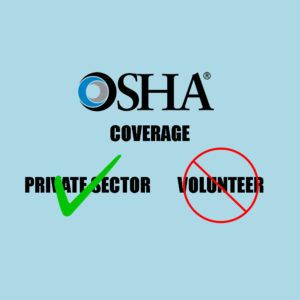
The Occupational Safety and Health (OSH) Act covers most private sector employers and their workers. Additionally, OSHA covers some public sector employers and workers in the United States and certain territories and jurisdictions under federal authority. 8 jurisdictions are covered, including:
- The District of Columbia
- Puerto Rico
- The Virgin Islands
- American Samoa
- Guam
- Northern Mariana Islands
- Wake Island
- And, the Outer Continental Shelf Lands
Private Sector Workers
OSHA covers private sector employers and workers either directly through Federal OSHA or through an OSHA-approved state plan. State-run safety and health programs must be at least as effective as the Federal OSHA program.
State and Local Government Workers
Workers at state and local government agencies are not covered by Federal OSHA, but they are still protected under the OSH Act if they work in a state or territory that has an OSHA-approved state program.
Federal Government Workers
OSHA's protection applies to all federal agencies. Federal agencies must have a safety and health program that meets the same standards as private employers. While OSHA does not issue fines to federal agencies, it monitors compliance and conducts workplace inspections in response to worker complaints.
Who is Not Covered by OSHA?
OSHA does not cover groups of people, including:
- Self-employed workers: Independent contractors and sole proprietors
- Immediate family members of farm employers: This exemption is relevant for family-operated farms that do not hire outside workers
- Volunteers: People who work for charitable, humanitarian, and religious organizations without compensation
- Interns: Including people who work for an internship program that does not pay them or offer a job at the end
- Clergymen and other participants in religious services: This group includes choir masters, organists, and ushers
- Workers whose hazards are regulated by a different federal agency: Including workers regulated by the Mine Safety and Health Administration (MSHA) , the Department of Energy, Federal Aviation Administration, or the Coast Guard
- And, state and local government employees: This may vary in states with State Plans
Conclusion
The Occupational Safety and Health Administration provides essential protections to a wide range of workers, ensuring their health and safety in the workplace. Whether you're an employee or an employer, it's important to understand if you’re covered by the regulations and how they apply to your work environment. Knowing who is protected allows you to take proactive steps toward maintaining a safer and more compliant workplace.

Brooklyn Nice
Brooklyn Nice is a Content Development Specialist at JJ Safety, where she creates engaging, OSHA-focused safety content, training materials, and educational resources for workers and employers. She has earned her OSHA 10 Certification, providing her with a strong foundation in workplace safety principles and industry best practices.