
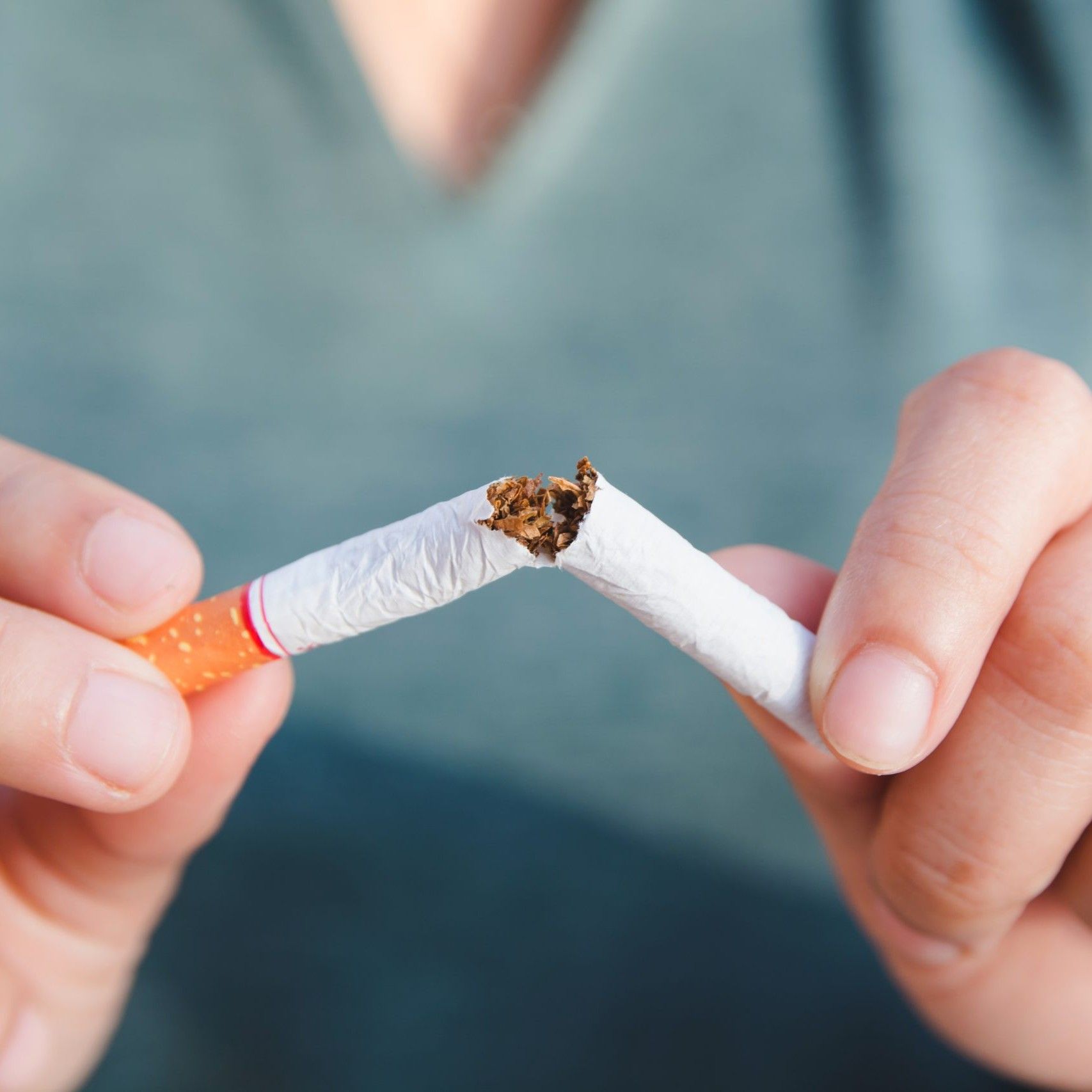
Smoking in or around the workplace can pose serious risks, from fire hazards to health concerns for employees. Whether you manage a construction site, an office, or a manufacturing facility, understanding proper smoking safety practices is essential for protecting both employees and the work environment.
Why Smoking Safety Matters
Smoking safety isn’t just about following company rules, it’s about preventing accidents and maintaining a safe work environment. Some of the risks associated with smoking at or near the workplace include:
- Fire Hazards: A stray spark or improperly discarded cigarette can ignite combustible materials
- Health Risks: Secondhand smoke affects non-smokers and can cause respiratory problems or exacerbate existing health issues
- Environmental Hazards: Cigarette butts can litter walkways, creating slip hazards or contaminating work areas
- And, Legal and Compliance Issues: Many workplaces are subject to strict local laws and company policies regarding smoke
By following proper procedures, workplaces can reduce these risks and create a safer environment for everyone.
Designated Smoking Areas
One of the easiest ways to maintain smoking safety is by establishing designated smoking areas. These areas should:
- Be clearly marked and easily accessible
- Be located away from flammable materials, chemicals, and fuel storage
- And, provide proper disposal units for cigarette butts and ash
Employees should only smoke in these areas to minimize exposure to hazards and to comply with regulations.
Disposal of Smoking Materials
Improper disposal of cigarettes is a leading cause of workplace fires. Follow these disposal tips:
- Use approved ashtrays or receptacles provided in designated smoking areas
- Never throw cigarette butts on the ground, into trash bins not designated for smoking waste, or near combustible materials
- And, ensure smoking materials are fully extinguished before leaving the area
Protecting Health and Minimizing Exposure
Smoking safety isn’t just about preventing fires, it’s also about protecting your health and the well-being of those around you. Keep in mind these helpful tips:
- Keep a safe distance from non-smokers, entrances, and ventilation systems to limit secondhand smoke exposure
- Wash hands and face after smoking to reduce the spread of smoke residue
- And, encourage employees to be mindful of coworkers who may have respiratory conditions or allergies affected by smoke
Workplace Policies and Regulations
Most workplaces have specific rules about smoking. To stay compliant:
- Know and follow your company’s smoking policies, including restricted areas and break schedules
- Stay up to date with local laws and OSHA requirements regarding smoking near hazardous materials or equipment
- And, encourage employees to report unsafe smoking practices to supervisors immediately
Emergency Preparedness
Even with preventive measures in place, accidents can still occur. Workplaces should be prepared by ensuring fire extinguishers are readily accessible near smoking areas, training employees to promptly report fires or hazards, and maintaining first aid kits for burns or smoke inhalation incidents.
General Safe Work Practices
The following are a few general safe work practices for smoking:
- Smoke only in designated smoking areas
- Never smoke in enclosed or confined spaces
- Do not smoke while fueling equipment
- Never smoke while using oxygen or when around an oxygen source, even if the equipment is turned off
- Ensure cigarettes are fully extinguished before throwing them away and leaving the smoking area
- Avoid smoking near entrances, exits, or ventilation systems
- Follow company policies regarding smoking restrictions
- And, always wash your hands after smoking
Conclusion
Smoking safety in the workplace is a shared responsibility that extends beyond personal choice. By following designated smoking areas, properly disposing of smoking materials, and staying aware of surrounding hazards, employees can help prevent fires, protect the health of others, and maintain a safer work environment.

Brooklyn Nice
Brooklyn Nice is a Content Development Specialist at JJ Safety, where she creates engaging, OSHA-focused safety content, training materials, and educational resources for workers and employers. She has earned her OSHA 10 Certification, providing her with a strong foundation in workplace safety principles and industry best practices.