
On a jobsite, in an office, or even at home, a stroke can happen suddenly and without warning. Knowing what to look for, and how to respond, can make the difference between recovery and long-term disability, or even life and death.
What Is a Stroke?
A stroke occurs when blood flow to part of the brain is interrupted or reduced, preventing brain tissue from getting the oxygen and nutrients it needs. Within minutes, brain cells begin to die.
There are two main types of strokes:
- Ischemic Stroke (most common and referred to as a “mini stroke”): Occurs when blood clots or other particles block the blood vessels to the brain
- And, Hemorrhagic Stroke: Happens when an artery in the brain leaks blood or ruptures
Both types are considered a medical emergency that require immediate medical attention.
What Causes a Stroke?
Strokes do not just “happen,” they’re often the result of underlying conditions or risk factors that build over time.
Some common causes as to why a stroke could occur include:
- High blood pressure (leading cause)
- Blood clots or narrowed arteries
- Heart conditions, such as irregular heartbeat
- Diabetes
- High cholesterol
- Smoking or alcoholism
- Or, obesity
In some cases, strokes can occur suddenly without obvious warnings, which is why awareness is so crucial.
For more detailed health guidance, organizations like the Centers for Disease Control and Prevention (CDC) provide ongoing education on prevention and risk factors.
Who Is at Risk?
While strokes are often associated with older adults, they can happen to anyone at any age.
Higher-risk groups can include:
- Adults over 55
- Individuals with high blood pressure or heart disease
- Smokers or heavy drinkers
- Individuals with diabetes or high cholesterol
- Those with a family history of strokes
- And, workers exposed to high stress, heat, or physically demanding conditions
Warning Signs
When it comes to strokes, time is everything. The faster someone receives treatment, the better their chances of recovery.
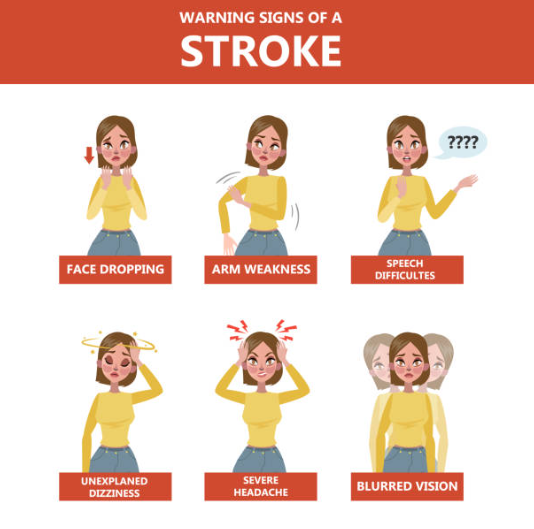
Use the simple acronym F.A.S.T. to recognize the signs:
- F - Face Drooping: One side of the face may droop or feel numb
- A - Arm Weakness: One arm may feel weak or numb
- S - Speech Difficulty: Slurred or hard-to-understand speech
- And, T - Time: If you notice any of these signs, act immediately
Note: Loss of balance or coordination, along with sudden changes in vision, can also be warning signs of a stroke.
If something feels off, do not ignore it!
Treatment
Stroke treatment depends on the type, but all strokes require immediate medical care. Fast treatment can lessen the brain damage a stroke can cause.
For ischemic strokes (caused by clots):
- Doctors may use clot-busting medications to restore blood flow
- And, in some cases, procedures are performed to remove the clot
For hemorrhagic strokes (caused by bleeding):
- Treatment focuses on stopping the bleeding and reducing pressure in the brain by either endovascular procedures or surgical treatment
After emergency treatment, many patients require:
- Rehabilitation, such as physical, speech, or occupational therapy
- Or, ongoing medical care to prevent future strokes
Prevention
If you’ve had a stroke, you’re at high risk of experiencing another one. That’s why it’s critical to treat the causes of a stroke, like heart disease, high blood pressure, and additional causes mentioned in the “What Causes a Stroke” section of this blog.
Yourself and health care providers can work together to treat the medical conditions that lead to a stroke. A treatment plan can be developed that might include medications, surgery plans, or lifestyle changes to lower your risk of a stroke or experiencing another one.
Conclusion
A stroke can happen in minutes, but the impact can last a lifetime. Recognizing the signs and responding quickly gives someone the best possible chance at recovery.
So ask yourself: Would you recognize a stroke if it happened right in front of you?
Because in that moment, what you do next matters more than anything.

Brooklyn Nice
Brooklyn Nice is a Content Development Specialist at JJ Safety, where she creates engaging, OSHA-focused safety content, training materials, and educational resources for workers and employers. She has earned her OSHA 10 Certification, providing her with a strong foundation in workplace safety principles and industry best practices.