
Workplace Hazardous Materials Information System (WHMIS) 2015 is a national hazard communication system that provides information on the safe use of hazardous products in Canadian workplaces. Understanding the proper ways to handle hazardous products can be the difference between life and death.
Hazard Classes and Categories
Exposure to hazardous chemicals or products can lead to serious health effects, such as cancer, lung damage, burns, or birth defects. Some of these effects can be permanent or even fatal. Additionally, some chemicals have fire and explosion hazards if stored improperly or too close to an ignition source.
Each hazard group includes hazard classes that have specific hazardous properties. There are 2 major hazard groups, including:
- Physical Hazards Group: Based on the physical or chemical properties of the product, such as flammability, reactivity, or corrosivity to metals
- And, Health Hazards Group: Based on the ability of the product to cause health effects, such as eye irritation, respiratory sensitization, or carcinogenicity
Pictograms
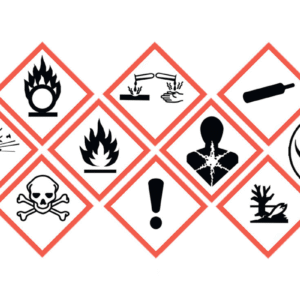
Pictograms are graphic images that show what type of hazard is present. Employees can immediately see that the product is flammable or that it might be a health hazard. Pictograms will be on the product supplier labels of the hazardous product, as well as the Safety Data Sheet (SDS).
Labels
Hazardous products in the workplace must be labeled. Labels are the first to alert the user about the major hazards associated with the product and outline the basic precautions or safety steps that should be taken. These labels must be affixed, printed, written on, or attached to the hazardous product or container and remain legible.
Safety Data Sheets (SDSs)
Employers and employees must use and follow the WHMIS 2015 requirements for labels and SDSs for hazardous products. SDSs provide more detailed hazard information about the product than the label. This information is designed to protect workers against hazards associated with that product and includes safe handling instructions and emergency measures. The SDS must follow a standard 16-section format, including:
- Section 1 - Identification
- Section 2 - Hazard Identification
- Section 3 - Composition/Information on Ingredients
- Section 4 - First-Aid Measures
- Section 5 - Fire-Fighting Measures
- Section 6 - Accidental Release Measures
- Section 7 - Handling and Storage
- Section 8 - Exposure Controls/Personal Protection
- Section 9 - Physical and Chemical Properties
- Section 10 - Stability and Reactivity
- Section 11 - Toxicological Information
- Section 12 - Ecological Information
- Section 13 - Disposal Considerations
- Section 14 - Transport Information
- Section 15 - Regulatory Information
- Section 16 - Other Information
Conclusion
WHMIS is more than just a regulatory requirement, it’s a system designed to keep workers informed, aware, and safe when handling hazardous products. By understanding labels, reviewing Safety Data Sheets, and following proper workplace procedures, employees can protect themselves and those around them from serious harm. A strong commitment to WHMIS not only reduces risks but also builds a culture of safety where everyone takes responsibility.

Brooklyn Nice
Brooklyn Nice is a Content Development Specialist at JJ Safety, where she creates engaging, OSHA-focused safety content, training materials, and educational resources for workers and employers. She has earned her OSHA 10 Certification, providing her with a strong foundation in workplace safety principles and industry best practices.