
Hemorrhagic Fever viruses (VHFs), along with smallpox, anthrax, plague, botulism, and tularemia, are classified by the Centers for Disease Control and Prevention (CDC) as among the six biological agents most likely to be used in bioterrorism. Many VHFs are capable of causing severe, often life-threatening illness with high mortality rates.
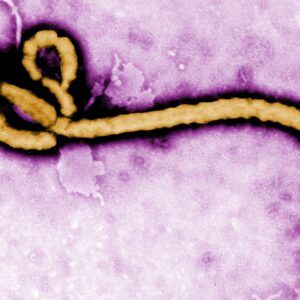
Viral Hemorrhagic Fevers (VHFs) are a group of illnesses caused by viruses that can damage blood vessels and impair the body's ability to regulate itself. This could potentially lead to severe bleeding and organ failure. There are a few different VHFs, including:
- Crimean-Congo
- Dengue
- Ebola
- Hantavirus
- Lassa
- Marburg
- And, Yellow fever
How Can You Get VHFs?
VHFs are spread by contact with infected animals. The viruses that cause VHFs live in many animal hosts. Typically, the hosts include mosquitos, ticks, rodents, nonhuman primates, or bats.
VHFs can be transmitted through various routes, depending on the specific virus. Some are spread by mosquito or tick bites, while others are transmitted through direct contact with infected bodily fluids such as blood, saliva, or semen. Certain types can also be contracted by inhaling particles from the urine or feces of infected rodents.
Several VHFs have the potential to spread from person to person, increasing the risk of outbreaks in both endemic and non-endemic regions.
Individuals traveling to areas where VHFs are prevalent may become infected abroad but not experience symptoms until after returning home. The incubation period varies by virus, typically ranging from 2 to 21 days.
Standards
Fortunately, there are OSHA standards that highlight emergency response activities associated with a bioterrorist attack, including:
Hazards
Hazards associated with Viral Hemorrhagic Fevers (VHFs) include:
- Travel to geographic areas where these diseases may naturally occur
- Handling of animal carcasses
- Contact with animals or people with the disease
- And, anthropod bites
Symptoms
Symptoms of VHFs vary by disease. There can be early symptoms, such as:
- Fever
- Tiredness, weakness, or feeling unwell
- Muscle, bone, or joint aches
- Nausea and vomiting
- And, diarrhea
Additionally, there can be symptoms that have the potential to become life-threatening, including:
- Bleeding under the skin, inside the body, or from the mouth, eyes, or ears
- Nervous system issues
- Coma
- Confused thinking about not being aware of surroundings, called delirium
- Kidney failure
- Trouble breathing
- And, liver failure
Note: If you are traveling to a country where you may get an infectious disease, receive vaccinations or pre-travel advice for staying healthy. If you begin experiencing any of the symptoms above, seek medical attention.
Prevention Methods
Preventing VHFs can be challenging, particularly in regions where these diseases are endemic. If you live in, work in, or travel to affected areas, it is essential to use appropriate protective measures when handling blood or bodily fluids. This includes wearing gloves, gowns, face shields, and eye protection. Additionally, exercise caution when working with laboratory specimens and medical waste to reduce the risk of exposure.
Additionally, you can also receive vaccinations, watch out for mosquitoes and ticks, and guard against rodents.

Brooklyn Nice
Brooklyn Nice is a Content Development Specialist at JJ Safety, where she creates engaging, OSHA-focused safety content, training materials, and educational resources for workers and employers. She has earned her OSHA 10 Certification, providing her with a strong foundation in workplace safety principles and industry best practices.