
Measles is a highly contagious viral illness that can lead to serious health complications, especially in young children and those with weakened immune systems. Despite being preventable through vaccination, it still poses a risk in communities around the world.
How Can Measles Spread?
Measles can spread primarily through:
- Droplets or airborne particles from the nose, mouths, or throats of infected people
- Contact with an infected person's respiratory secretions or saliva
- Or, contact with surfaces contaminated with respiratory secretions or saliva
Although measles cases significantly declined and the disease was nearly eliminated in the United States by the early 2000s, it still occurs across the country today. While measles is most commonly seen in children, people of any age can be affected. Outbreaks tend to be more frequent during the winter and spring months.
Symptoms
Initial symptoms typically appear 10-12 days after infection. There are different symptoms that can occur, such as:
- High fever
- Runny nose
- Red eyes
- And, white spots on the inside of the mouth
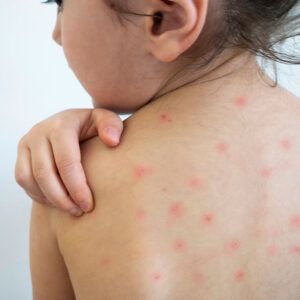
Several days later, a rash appears, typically starting on the face and upper neck before spreading to the rest of the body. Measles is usually most contagious several days before the rash appears. In some cases, measles can lead to severe complications, including fatal pneumonia.
Measles vs. The Workforce
Workers may become exposed to measles whenever the virus is circulating within the community. In some cases, workers can be exposed to infected individuals who arrive in the United States from abroad. Workers who perform services or other activities in homes in affected communities also may be exposed. Any worker who has not received the measles vaccine or who have not had the disease can get measles if they are exposed.
Vaccine
The measles, mumps, and rubella (MMR) vaccine can prevent measles. For most people, the measles vaccine is both safe and highly effective. As with any vaccine, a small number of individuals may experience mild side effects, allergic reactions, or other adverse events. However, the protective benefits of vaccination overwhelmingly outweigh these rare risks.
Prevention
The best way to avoid measles is to get vaccinated with the MMR vaccine. The Centers for Disease Control and Prevention (CDC) recommends two doses of the MMR vaccine for children. The first dose at 12-15 months and the second at 4-6 years.
Additional precautions include:
- Isolation: If you or someone you know has measles, isolate them or yourself from others to prevent spreading the virus
- Respiratory Hygiene: Practice good respiratory hygiene, including covering coughs and sneezes, and washing your hands frequently
- Limit Exposure: If there is a measles outbreak in your area, limit your exposure to public areas and crowded places
- And, Protective Gear: In specific work settings or during outbreaks, consider using N95 masks to reduce the risk of airborne transmission
Conclusion
Measles remains a serious but preventable disease. Understanding how it spreads, recognizing its symptoms, and staying up to date with vaccinations are key steps in protecting yourself and those around you. While rare side effects from the vaccine can occur, the overall benefits far outweigh the risks. By staying informed and proactive, we can all contribute to a healthier, safer community.

Brooklyn Nice
Brooklyn Nice is a Content Development Specialist at JJ Safety, where she creates engaging, OSHA-focused safety content, training materials, and educational resources for workers and employers. She has earned her OSHA 10 Certification, providing her with a strong foundation in workplace safety principles and industry best practices.