
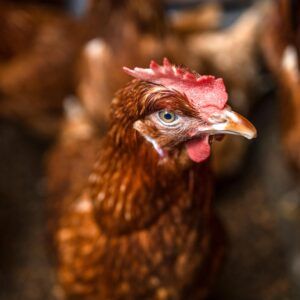
Avian Influenza, also known as bird flu, is a disease caused by infection with avian influenza Type A viruses. These viruses naturally circulate among wild aquatic birds around the world, including ducks, geese, swans, and storks. However, they can also spread to domesticated birds like chickens and turkeys.
Some bird flu viruses can infect and spread to other animals as well. Fortunately, bird flu viruses do not typically infect humans. However, sporadic human infections with bird flu viruses have occurred.
Although rare, workers can become infected with avian influenza after unprotected exposure to infected birds or animals. Infection may occur when the virus enters the body through the eyes, nose, or mouth, either by direct contact, inhalation, or by touching contaminated surfaces and then touching the face. Infected animals shed the virus through bodily fluids, such as saliva, mucus, and feces, increasing the risk of environmental contamination.
History of Avian Influenza
The first case of Avian Influenza H5N1 was first seen in the U.S. in wild, migratory birds in 2015. Beginning in 2022, outbreaks have also been detected in agricultural poultry flocks. While there is currently no evidence of human-to-human transmission, a small number of workers exposed to infected animals have contracted the H5N1 virus.
Since 2022, bird flu outbreaks have led to the culling of millions of birds across the United States. Infections caused by the H5N1 strain have also been reported in mammals throughout the U.S., Canada, and other regions worldwide. Notably, the 2024 cases in dairy herds marked the first documented instances of H5N1 causing illness in cattle.
Who is at Risk?
Individuals who work in operations with poultry, cattle, and other livestock and their byproducts should take extra precautions to reduce the risk of H5N1 exposure and illness.
Individuals should avoid unprotected contact with dead birds or animals, animal waste, bedding, raw milk, uncooked animal products, or any materials that have been in contact with animals suspected or confirmed to have avian influenza. Workers who come into contact with infected animals or contaminated materials without proper protection may be at increased risk of infection.
Symptoms
Recognizing the symptoms of avian influenza is key to early detection and response. While symptoms can vary depending on the strain and whether it's affecting birds or humans, common signs to watch for include:
- Fever
- Cough
- Sore throat
- Breathing difficulty/shortness
- Conjunctivitis
- And, more!
Prevention Tips!
A hazard analysis should be conducted to identify workers at risk of exposure to avian influenza viruses prior to implementing control measures. Consider work operations and tasks when performing the hazards analysis. Appropriate controls, including engineering controls, administrative controls, safe work practices, and Personal Protective Equipment (PPE) shall be selected.
→ Personal Protective Equipment
Workers shall be provided with appropriate PPE based on the results of the hazard analysis. There are different options for PPE that can protect workers from this virus, including:
- Disposable gloves
- Disposable protective shoe covers or boots
- Disposable head cover or hair cover, and if needed, a beard cover
- Protective fluid-resistant or chemical-resistant clothing
- Properly-fitted unvented or directly vented safety goggles
- And, if determined, a NIOSH-approved air-purifying respirator
→ General Precautions
All workers with potential exposure to the avian influenza virus should take precautions, including:
- Avoid unprotected contact with birds and bird secretions or excrement
- Select PPE that is appropriate for the job task(s) performed and use PPE properly
- Wear respiratory protection
- Carefully clean and disinfect contaminated areas
- Follow good hand hygiene and decontamination practices
- Get seasonal influenza vaccines
- And, if you're sick, stay home and seek medical attention
Conclusion
Avian influenza continues to pose serious risks to animal health, food supply chains, and even human safety. While wild birds are natural carriers, the virus’s ability to spread to domestic poultry, and in rare cases, to people, makes awareness and prevention critical.

Brooklyn Nice
Brooklyn Nice is a Content Development Specialist at JJ Safety, where she creates engaging, OSHA-focused safety content, training materials, and educational resources for workers and employers. She has earned her OSHA 10 Certification, providing her with a strong foundation in workplace safety principles and industry best practices.