

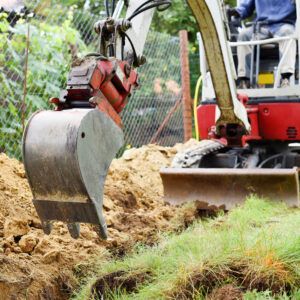
Underground digging is a critical task in construction, utility work, and maintenance projects, but it comes with serious risks if not done safely. Striking gas lines, electrical cables, or water pipes can lead to dangerous accidents, costly repairs, and even loss of life.
Underground utilities include electric cables, telecommunication and data cables, water and sewer pipelines, and oil and gas pipelines. These utilities are underground which means workers must identify these utilities prior to digging, excavation, and earthmoving equipment.
Hazards
There are a few risks associated with underground digging, such as:
- Cave-ins
- Falling loads
- Utility strikes
- Atmospheric hazards
- And, equipment hazards
Pre-Digging Procedures
Prior to digging operations, a site assessment should be done. This assessment should identify present and future hazards that have the potential to cause injury, illness, or death. Once the hazards are identified, controls and plans must be implemented to control the hazards.
Workers must also identify any underground utilities prior to digging operations. 811 Call Before You Dig can aid in identifying underground utilities. Additionally, utility location procedures include:
- Contact Utility Companies: Request utility locate services, review utility maps, or request utilities to be turned off
- Professional Locators: Use specialized equipment for accurate detection
- And, Permit Requirements: Obtain any necessary permits and approvals
Utility Color Flags
Once underground utilities have been identified, colored flags shall be placed to mark where and what type of utility is underground. The colors represent:
- Red Flags: Electrical powerlines, cables, and conduit; Action: Avoid contact and use protective measures
- Yellow Flags: Gas, oil, or petroleum pipelines; Action: Maintain a safe distance and use non-invasive digging methods
- Blue Flags: Water pipelines; Action: Avoid hitting and report any leaks
- Green Flags: Sewer and drain lines; Action: Exercise care to prevent rupture and report damage
- Orange Flags: Communications, telephone, or cable TV lines; Action: Avoid disruption and report damage to the service provider
- Pink Flags: Temporary survey markings; Action: Follow surveyor instructions. These are not permanent utilities
- And, Purple Flags: Reclaimed water, irrigation, or slurry lines; Action: Avoid disturbance and be aware of contamination risks
Protective Measures
When working in excavations, trenches, etc., protective measures should be implemented, including:
- Shoring and Shielding: Use proper systems to prevent cave-in hazards
- Trench Boxes: Utilize for deep excavations
- And, Safety Barriers: Install around excavation sites to prevent unauthorized access
Personal Protective Equipment (PPE)
To protect yourself during underground digging operations, utilize PPE, such as:
- Hard Hats
- Safety Boots
- Gloves
- Eye Protection
- And, High-Visibility Clothing
Emergency Procedures
Provide workers with access to emergency contacts, including utility providers, emergency services, and offsite managers. Make sure workers receive training in basic first aid so they can respond quickly if an incident occurs. Implement an evacuation plan that clearly outlines routes and procedures, ensuring everyone knows how to exit the site safely in an emergency.
Equipment and Tools
Inspect equipment and tools regularly to ensure they are safe, reliable, and properly maintained. Train all workers and operators on the specific tools and equipment used in underground digging operations, and make sure they are competent before performing any tasks.
Communication
Establish clear communication signals to keep crews coordinated, and hold regular safety meetings to address concerns and reinforce safe practices.
Post-Digging Procedures
Inspect the site every time workers enter to make sure no new hazards are present. Check for stability and overall safety before resuming work. After completing the job, remove debris and clean the site to eliminate tripping hazards.
Conclusion
Underground digging requires more than just the right tools, it demands careful planning, awareness, and strict attention to safety practices. From locating utilities to maintaining communication on the job site, every step plays a role in preventing accidents and costly mistakes.

Brooklyn Nice
Brooklyn Nice is a Content Development Specialist at JJ Safety, where she creates engaging, OSHA-focused safety content, training materials, and educational resources for workers and employers. She has earned her OSHA 10 Certification, providing her with a strong foundation in workplace safety principles and industry best practices.