
Tornado safety is essential for anyone living in areas prone to severe storms. Tornadoes can develop quickly and with little warning, making preparation, awareness, and a solid emergency plan crucial for protecting yourself, your family, and your property.
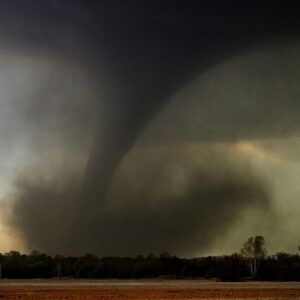
A tornado is typically a narrow, violently rotating column of air that extends from a thunderstorm to the ground. Larger tornadoes can occur, with some forming a funnel over a mile in diameter. Since wind is invisible, it is hard to see a tornado unless it forms a condensation funnel made up of water droplets, dust, and debris.
Warning Signs
There are a few indications that a tornado may be forming or approaching, including:
- Dark, often greenish-colored sky
- The formation of a wall cloud
- Debris clouds
- Large hail or heavy rain, followed by a dead calm
- Funnel cloud
- Or, roaring noise
Tornado Watch vs. Warning
A tornado watch is given when a tornado has not been spotted yet. However, conditions are favorable for the development of tornadoes in and near the watch area.
*Tornado watches are issued for broad areas.
Tornado warnings are given when a tornado has been spotted or indicated by weather radar. When a warning is issued, it is advised to seek shelter immediately.
*Watches are issued for highly localized areas.
Monitoring Weather
If severe weather is forecasted in the area with conditions favorable for tornadoes, monitor the local news or the National Weather Service for watches and warnings.
Aside from tornado watches and warnings, you should also monitor weather services for:
- Tornado Emergency Declarations: These are issued when a confirmed tornado poses a severe threat to life and property
- Storm Rotation Alerts: Some services highlight areas of strong rotation within storms that could produce a tornado
- Local Storm Spotter Reports: Real time observations for tornado sightings or funnel clouds
- Tornado Touchdown Reports: Confirms a tornado has hit the ground
- And, NOAA Weather Radio Broadcasts: Continuous updates on tornado activity
Emergency Planning
In order to stay safe during tornadoes, it is essential to create an emergency plan and preparedness kit. The emergency plan should include information on:
- Safe locations
- Communication
- How to act during a tornado
- And, how to assess possible injuries
When creating a preparedness kit, ensure to include items, such as:
- Flashlight and batteries
- First aid kit
- Water
- Non-perishable foods
- And, other protective items
When considering safe locations, choose an interior location on the lowest floor level without windows, such as basements, storm shelters, or interior hallways. Avoid choosing large, open areas and rooms with windows.
Tornado Response
During an active tornado, monitor alerts continuously and follow guidance from local authorities. When you get to a safe location, protect your head and neck.
If you are outside when a tornado hits, avoid vehicles and mobile homes, seek a sturdy building or low-lying area.
After a tornado hits, check for injuries, avoid hazards, follow official updates, and document any damage. Additionally, be alert for the smell of gas, watch for fallen powerlines, and stay out of damaged buildings.
Conclusion
Tornadoes can strike with little warning, but preparation and awareness can save lives. By staying informed, having a clear emergency plan, and knowing the safest places to take shelter, you can protect yourself, your family, and your community.

Brooklyn Nice
Brooklyn Nice is a Content Development Specialist at JJ Safety, where she creates engaging, OSHA-focused safety content, training materials, and educational resources for workers and employers. She has earned her OSHA 10 Certification, providing her with a strong foundation in workplace safety principles and industry best practices.