
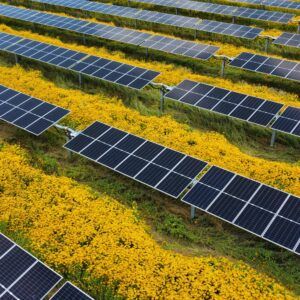
Solar energy is a rapidly expanding sector within the green energy industry, creating a growing number of green jobs. However, the manufacturing, installation, and maintenance of solar systems come with a range of worker health and safety hazards. It's essential for employers in the solar industry to ensure safe working conditions, while workers must be informed about how to protect themselves on the job.
The two main commercially viable types of solar energy are solar electric and solar thermal, including solar water heating systems.
Solar Electric
Solar energy can be transformed into electricity through two main technologies: photovoltaics (PV) and concentrating solar power (CSP). PV systems are the most widely used and generate electricity by using semiconductors that convert sunlight directly into electrical energy. The amount of electricity produced increases with the number of solar modules in a PV system or array.
There are a few materials presently used for photovoltaics, including:
- Monocrystalline silicon
- Polycrystalline silicon
- Microcrystalline silicon
- Cadmium telluride
- And, copper indium selenide/sulfide
Solar Thermal or Solar Water Heaters
Types of solar water heating systems include direct and indirect (Glycol) systems and are chosen largely by climate. Freezing temperatures may damage some types.
Hazards and Controls
Workers in the solar energy industry are potentially exposed to a variety of serious hazards, such as arc flashes, electric shock, falls, and thermal burns. Solar energy employers are covered by the Electric power generation, transmission, and distribution standards. Therefore, employers are required to implement the safe work practices and working training requirements of OSHA's Electric Power Generation, Transmission, and Distribution Standard, 29 CFR 1910.269.
Conclusion
As the solar energy industry continues to grow, so does the importance of equipping workers with the knowledge they need to stay safe and succeed. From understanding the risks involved in manufacturing and installation to following best practices on maintenance sites, informed workers are essential to a safe and sustainable solar workforce.

Brooklyn Nice
Brooklyn Nice is a Content Development Specialist at JJ Safety, where she creates engaging, OSHA-focused safety content, training materials, and educational resources for workers and employers. She has earned her OSHA 10 Certification, providing her with a strong foundation in workplace safety principles and industry best practices.