
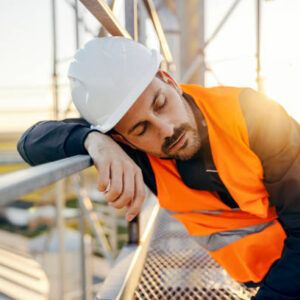
Sleep deprivation is a serious and often overlooked issue in the construction industry. Long hours, early starts, demanding physical labor, and high-pressure deadlines can all take a toll on workers’ sleep, and the consequences go far beyond feeling tired.
Effects of Sleep Deprivation
Just like alcohol and drug use, lack of sleep increases risky and hazardous behavior. Workplace incidents are four times more likely to be caused by sleep deprivation or fatigue than by alcohol or drug impairment. Working in construction while sleep-deprived can lead to a range of serious issues, including:
- Poor judgement - This may cause a worker to misjudge the height at which they're working, the speed of equipment, safe distances, etc.
- Lack of manual ability - A sleep-impaired worker is more likely to struggle to wear PPE, follow safety procedures, or use their hands or body skillfully
- Impaired alertness - This can jeopardize safety when working with machinery, at heights, and when driving vehicles
- Increased injuries - Sleep deprivation threatens workers in ways that PPE cannot protect against
- And, sickness - Lack of sleep has been tied to mental distress, depression, anxiety, and more
Recognizing the Signs
Many symptoms of sleep deprivation can be vague or easily mistaken for other issues, making it hard to recognize when sleep is the real problem. However, there are a few signs to watch out for, including:
- Sudden changes in appearance - Those who are sleep deprived typically loose interest in their appearance, look extremely tired, have dark circles, or more
- Increased mistake-making - A worker who has otherwise shown competency is now becoming prone to errors
- Increase in poor judgment - A worker with normally sound judgment is now exhibiting poor judgment or decision making behaviors
- And, irritability - Sleep deprivation typically makes a good-natured worker ill-tempered and irritable
Drowsy Driving
Sleep deprivation can have a profound impact on your driving ability. When you’re running on empty, your focus, reaction times, and decision-making skills are all compromised, much like being under the influence of alcohol. This makes drowsy driving one of the most dangerous, yet overlooked, risks on the road.
Studies have shown that going too long without sleep can impair your ability to drive the same way alcohol does. These studies suggest:
- Being awake for 17 hours is similar to having a Blood Alcohol Concentration (BAC) of 0.05%
- And, being awake for 24 hours is similar to having a BAC of 0.10%
To put this into perspective, the United States defines legal intoxication for purposes of driving as a BAC of 0.08%.
Preventing Sleep Deprivation
Regardless of the industry you're in, being well-rested and ready for work is crucial for everyone's safety. The National Sleep Foundation recommends strategies for developing a healthy sleep routine, including:
- Go to sleep and wake up at the same time every day, including weekends
- Set a relaxing bedtime routine
- Ensure your bedroom is cool; when your body temperature decreases, it initiates sleep
- Ensure your bedroom is quiet and dark
- Sleep on comfortable and supportive mattresses and pillows
- Finish eating 2-3 hours before bed
- And, exercise regularly
If you have sleep disorders, speak to a physician about treatment options.
Conclusion
In the construction industry, where safety and precision are paramount, sleep deprivation is not just a personal issue, it’s a workplace risk. Whether you’re on a job site or in the field, being well-rested is essential for maintaining focus, avoiding accidents, and ensuring the well-being of everyone on the team.

Brooklyn Nice
Brooklyn Nice is a Content Development Specialist at JJ Safety, where she creates engaging, OSHA-focused safety content, training materials, and educational resources for workers and employers. She has earned her OSHA 10 Certification, providing her with a strong foundation in workplace safety principles and industry best practices.