

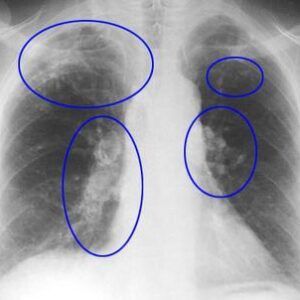
Silicosis is a deadly disease caused by the inhalation of respirable crystalline silica. Sand, rock, and soil are the most common materials that contain silica, however it is also commonly found in quartz. Inhalation of airborne dust that contains crystalline silica can occur in a wide variety of settings, such as:
- Mining, quarrying, and stone cutting
- Foundry operations
- Paint blasting and sandblasting
- Glass manufacturing and etching
- And, in some types of construction work
Effects of Silicosis
Breathing crystalline silica dust can cause silicosis, which in severe cases can be disabling or even fatal. When silica dust enters the lungs, it causes the formation of scar tissue, which makes it difficult for the lungs to take in oxygen. Currently, there is no cure for silicosis.
This disease increases the risk of lung cancer, kidney disease, and Chronic Obstructive Pulmonary Disease (COPD). These occupational diseases are life-altering and debilitating disorders that affect thousands of workers across the nation annually.
Silicosis typically occurs after 15-20 years of occupational exposure to silica. Symptoms may or may not be obvious, therefore, workers should receive a chest x-ray to determine if lung damage is present. Chronic silicosis, the most common form of the disease, usually occurs after 10 or more years of overexposure. As silicosis progresses, symptoms appear, such as severe cough and shortness of breath.
Additionally, symptoms of silicosis can vary depending on the severity and duration of exposure. Early symptoms can include persistent cough, breath shortness, wheezing, and chest tightness. Advanced symptoms of silicosis can be more severe and include:
- Breath shortness
- Fatigue
- Weight loss
- Chest pain
- Respiratory failure
- And, lung cancer
Silicosis Exposure
There are many work tasks that can expose workers to silica, such as:
- Working with dry sand, quartz, or clay that contains silica
- Demolition, cutting, or abrasion of concrete, brick, and mortar
- Drilling of quartz-containing rock, clay, or sandy soil
- And, dry sweeping of concrete, rock, clay, or sand dust
Permissible Exposure Limits
Employers must ensure no employee is exposed to an airborne concentration of respirable crystalline silica in excess of 50 micrograms per cubic meter of air (50 μg/m3), calculated as an 8-hour Time-Weighted Average (TWA).
Additionally, employers must assess the exposure of each employee who is or may reasonably be expected to be exposed to silica at or above the action level in accordance with OSHA regulations. The action level is 25 micrograms per cubic meter of air (25 μg/m3) as an 8-hour TWA.
Preventative Measures
There are many preventative measures that employers and workers can utilize to prevent silicosis, such as:
- Control overall dust exposures by minimizing the dust around work areas
- Substitute less hazardous abrasive blasting materials for those containing silica
- Install engineering control and containment methods to prevent dust from becoming airborne
- Train workers about the health effects of silica dust and good work practices to reduce dust
- Wet down surfaces before clean-up
- Use vacuums with HEPA filters or wet-sweeping for clean-up
- Never dry sweep or blow dust with compressed air
- Wear respirators, where necessary, to avoid inhaling dust
- Post warning/caution posters alerting others of the silica hazards
- And, shower or wash up and change into clean clothing prior to leaving the jobsite
Conclusion
Silicosis is entirely preventable, but only if we stay proactive. By controlling dust at the source, wearing proper respiratory protection, and following safe work practices, we can protect our lungs and our futures. Every worker deserves to go home healthy at the end of the day, stopping silicosis starts with awareness, action, and a commitment to safety.

Brooklyn Nice
Brooklyn Nice is a Content Development Specialist at JJ Safety, where she creates engaging, OSHA-focused safety content, training materials, and educational resources for workers and employers. She has earned her OSHA 10 Certification, providing her with a strong foundation in workplace safety principles and industry best practices.