

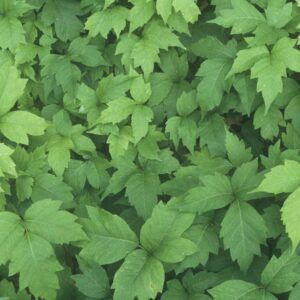
Poisonous plants are often deceptively beautiful, luring us with their vibrant colors and delicate petals, yet concealing a dangerous secret beneath their surface. These plants, found in gardens, forests, and even our backyards, can pose serious risks to humans and animals alike if handled improperly or ingested.
Types of Poisonous Plants
There are many types of poisonous plants. The most common are poison ivy, oak, and sumac. Additionally, other poisonous plants include:
- Giant Hogweed - Contact with sap can cause severe burns and blisters
- Poison Hemlock - Every part of poison hemlock is poisonous. If ingested, it can lead to paralysis and death
- Deadly Nightshade - Berries of this plant are highly toxic and can be fatal even in small amounts
- Foxglove - Contains toxic cardiac glycosides. Ingestion can cause irregular heartbeat and other serious symptoms
- Oleander - All parts of the plant are poisonous. Ingestions can cause vomiting, diarrhea, and death
- Castor Bean - The seeds are highly toxic, and ingestion can cause severe poisoning
- And, more!
In this blog, we will be focusing on poison ivy, oak, and sumac.
Poison Ivy
Poison ivy is typically found in the East, Midwest, and the South and grows as a vine. In the Northern and Western United States, it grows as a shrub. Each leaf has 3 leaflets. Leaves are green in the summer and red in the fall. In the late summer and fall, white berries may grow from the stems.
Symptoms of poison ivy exposure may include:
- Redness
- Itching
- Swelling
- Blisters
- And, difficulty breathing if you've inhaled the smoke from burning poison ivy
Poison Oak
Poison oak can appear oak-like with fuzzy leaves in three clusters. There are two distinct kinds, including:
- Eastern Poison Oak (New Jersey to Texas), which grows as a low shrub
- And, Western Poison Oak (Pacific Coast), which grows to 6-foot-tall clumps or vines up to 30 feet long. This type may have clusters of yellow berries
There are a few symptoms that may develop after exposure to poison oak, including:
- Redness
- Bumps
- Itchiness
- And, fluid-filled blisters
Poison Sumac
Poison sumac grows in standing water in peat bogs in the Northeast and Midwest, and in swampy areas in parts of the Southeast. Each leaf has clusters of 7-13 smooth-edged leaflets. Plants can grow up to 15 feet tall. The leaves are orange in the springtime, green in summer, and red, orange, or yellow in the fall. Poison sumac may have clumps of pale yellow or cream-colored berries.
Symptoms of poison sumac are the same as poison oak.
Urushiol
Urushiol is an allergen found in all poison ivy, oak, and sumac. Facts about this allergen include:
- Extremely potent; 1/4 ounce is enough to cause a rash in every person on earth
- Can stay active on any surface for up to 5 years
- Plants will contain this oil on the root, stem, and leaves
- Can stay active on clothing and pets
- It does not have to be in direct contact to cause health issues
- And, quick contact with 1 of the 3 plants is enough to make a person break out in a rash
Treatment
Rashes and symptoms of exposure to poisonous plants do not go away in one day. However, there are ways to provide fast relief to the affected area, such as:
- Rinse your skin with soapy, lukewarm water as soon as possible. If you do not wash the urushiol oil off, it can spread to other areas of the body and to other people
- Wash all of your clothes immediately. Urushiol oil can stick to clothing and if you touch it again, you can develop another rash
- Wash everything you might have come into contact with. This includes vehicles, pets, doors, EVERYTHING
- Avoid scratching. As difficult as it is, scratching can lead to infections
- And, if your rash develops blisters, leave them alone. Do not peel off or remove overlaying skin. The skin protects the wound and prevents infections
Additionally, seek medical attention. Doctors can prescribe medications that can help with the rash. However, there are over-the-counter medications that can relieve the itchiness of a rash, including anti-itch creams and Antihistamines.
Resources
The U.S. Fish & Wildlife Service has a webpage that provides pictures of poisonous plants.
The CDC provides information for Outdoor Workers and Poisonous Plant Exposure.
Conclusion
While poisonous plants may add beauty and intrigue to the natural world, they also remind us of the importance of knowledge and caution. Understanding which plants are toxic, how they affect our health, and recognizing the warning signs can prevent accidents and ensure we stay safe in our environments.

Brooklyn Nice
Brooklyn Nice is a Content Development Specialist at JJ Safety, where she creates engaging, OSHA-focused safety content, training materials, and educational resources for workers and employers. She has earned her OSHA 10 Certification, providing her with a strong foundation in workplace safety principles and industry best practices.