

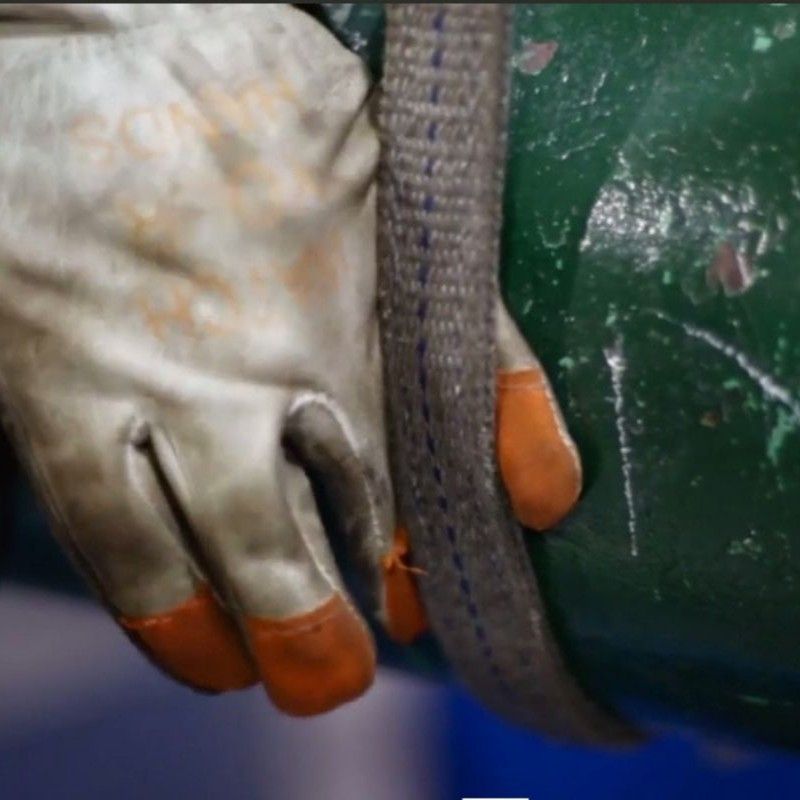
Pinch points and hand injuries are among the most common hazards in the workplace, often resulting from moving machinery, tools, or equipment. These injuries can range from minor bruises to severe fractures or amputations, making awareness and prevention critical.
Pinch Points
Hand injuries are the second most common workplace injury, with the majority resulting from crushed-related accidents. A pinch point is any spot where a worker’s body part could be caught between a moving and a stationary part of equipment. These hazards can occur when one part of a machine moves against another part or surface.
Pinch points typically affect the fingers and hands, but can impact any area of the body. Employees in an industrial setting are at high risk of experiencing these types of injuries. There are a few common pieces of equipment that can cause pinch point injuries, including:
- Power presses
- Conveyor belts
- Assembly lines or machines
- Printing presses
- Or, powered rollers and doors
Injurie Types
Pinch point injuries can vary from minor to severe, but can include minor blisters, cuts, or skin breaking, severe cuts and lacerations, amputations, or, in rare cases, death.
How Can These Injuries Occur?
Pinch point injuries can occur in a variety of situations, such as:
- Reaching into machinery with moving parts
- Failing to pay attention to the placement of hands and feet
- Working with safety guards or equipment that are in poor condition
- Or, when clothing, hair, or jewelry becomes tangled or caught
Eliminating the Risk
Fortunately, workers can use best practices to stay safe, mitigate injuries, and reduce the risk of pinch points, including:
- Ensure machines are properly guarded
- Keep machines and safeguards in good working condition
- Be aware of hand and foot placement around moving parts
- Do not place hands where they cannot be seen
- Reduce wearing loose clothing and keep long hair and beards tied back
- Wear the proper glove for the equipment
- Lockout/tagout equipment during inspections and maintenance
- And, use warning signs to communicate to others that pinch point injuries may occur
Conclusion
Hand injuries and pinch points are among the most common and serious workplace hazards. Understanding where pinch points exist, recognizing risky behaviors, and following proper safety practices are key to preventing accidents.

Brooklyn Nice
Brooklyn Nice is a Content Development Specialist at JJ Safety, where she creates engaging, OSHA-focused safety content, training materials, and educational resources for workers and employers. She has earned her OSHA 10 Certification, providing her with a strong foundation in workplace safety principles and industry best practices.