

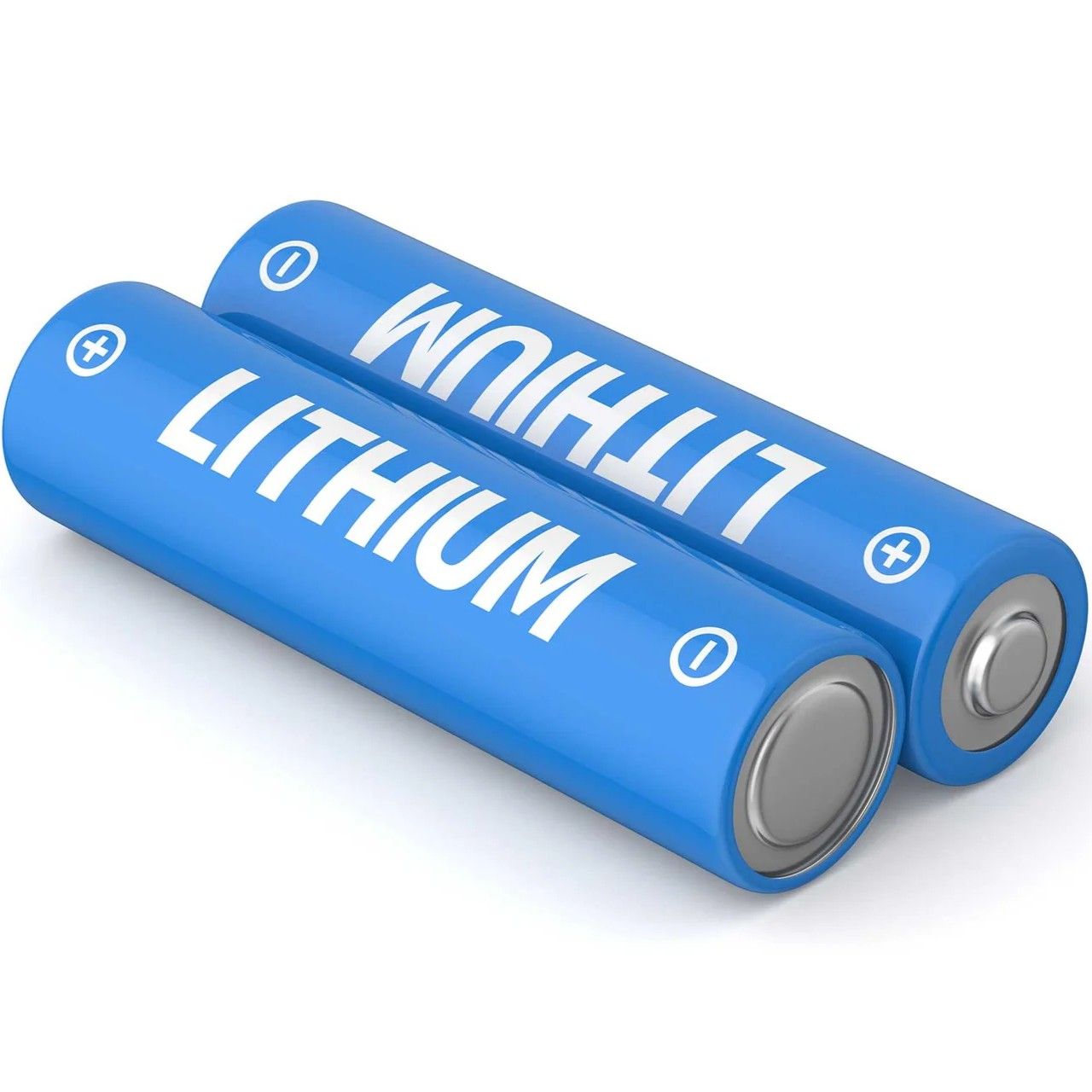
Lithium batteries power many of the essential devices we use every day, from smartphones and laptops, to electric vehicles and smoke alarms. While these batteries are efficient and widely used, they can pose serious safety hazards if not handled, used, or stored properly.
According to the U.S. Fire Administration, lithium-ion batteries were linked to at least 195 separate fires and explosions between 2009 and 2017. Understanding the risks and knowing how to handle these batteries correctly is crucial to keeping yourself and others safe.
Why Lithium Batteries Can Be Dangerous
Lithium batteries pose serious risks when they overheat, are damaged, or when they're improperly charged or stored. These conditions can result in fires, explosions, or hazardous material releases.
The danger lies in the high energy density stored in a compact space. In some cases, manufacturing defects can also increase the risk of overheating or combustion.
What Can Cause a Lithium Battery to Fail?
Several factors can trigger a battery-related incident, including:
- Dropping, crushing, or puncturing the battery
- Exposing the battery to high temperatures; above 130˚F
- Charging in freezing temperatures; below 32˚F
- And, using improper chargers or overcharging
Warning Signs
According to the National Fire Protection Association (NFPA), stop using a battery immediately if you notice:
- Unusual odors
- Excessive heat
- Swelling or changes in shape
- Leaking fluids
- Hissing or popping sounds
- Or, discoloration
If any of the signs listed above occur, move the device away from flammable materials, and handle with caution.
Battery Safety Tips
There are battery safety tips you can use when handling or using lithium batteries to protect yourself, including:
- Use devices certified by a qualified testing lab
- Always follow the manufacturer's instructions
- Never charge devices under pillows, blankets, or couches
- Use batteries only as intended
- Store at room temperature
- And, keep batteries away from heat sources or open flames
Disposal of Lithium Batteries
Improper disposal of lithium batteries poses a significant fire risk, so it’s crucial to handle them carefully. Never throw lithium-ion batteries in the trash; instead, take them to an approved battery recycling facility. It’s also a good idea to check with your local community for specific disposal programs. Additionally, avoid stacking discarded batteries together, as this can cause short circuits and potentially lead to fires.
Conclusion
Lithium batteries power many aspects of our daily lives, but with great power comes great responsibility. Understanding the hazards and taking preventive steps can help protect your home, workplace, and environment.
Always handle with care, watch for warning signs, and dispose of batteries responsibly to reduce risk and keep everyone safe.

Brooklyn Nice
Brooklyn Nice is a Content Development Specialist at JJ Safety, where she creates engaging, OSHA-focused safety content, training materials, and educational resources for workers and employers. She has earned her OSHA 10 Certification, providing her with a strong foundation in workplace safety principles and industry best practices.