
Line of fire is a term used in safety to describe the path of moving objects or forces that could cause injury if you happen to be in their way. Whether it’s falling materials, swinging equipment, pressurized lines, or vehicles in motion, being in the line of fire can turn routine tasks into serious hazards.
Importance of the Line of Fire
Many workers encounter line of fire risks every single day, often without realizing it. Something as routine as walking through a jobsite or reaching for a tool can put you in danger if heavy equipment is moving nearby, loads are suspended overhead, or stored energy is about to release. The most troubling part? These incidents usually happen in an instant, often giving the worker no time to react once they’re in harm’s way.
Recognizing and avoiding the line of fire is about being proactive. By identifying the hazard before it becomes an incident, workers can take steps to stay safe and prevent unnecessary injuries.
Hazards
There are various categories of hazards where workers are at risk of being in the line of fire, including:
- Struck-by hazards: Being hit by falling tools, flying debris, swinging equipment, or vehicles in motion
- Caught-in or -between hazards: Becoming trapped between heavy machinery, materials, or moving parts
- Released energy hazards: Pressurized lines, stored energy, and equipment that can shift suddenly
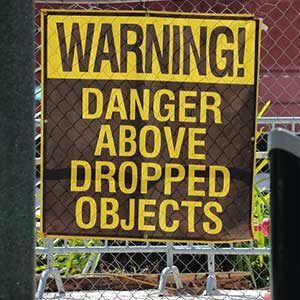
- And, dropped objects: Tools or materials falling from scaffolds, platforms, or overhead work areas
How to Stay Out of the Line of Fire
Preventing line-of-fire incidents requires awareness, communication, and safe work habits. There are a few key practices to keep in mind, such as:
- Stay aware of surroundings: Always scan for moving equipment, suspended loads, and pinch points
- Maintain safe distances: Never walk or stand under a suspended load or in the blind spot of heavy equipment
- Control stored energy: Use lockout/tagout procedures and verify systems are de-energized before work begins
- Use barriers and signage: Block off hazardous zones and clearly mark danger areas
- Practice safe communication: Ensure operators and workers on foot maintain eye contact and use hand signals or radios
- And, keep work areas organized: A clean site helps eliminate tripping hazards and reduces the chance of objects being knocked in your path
Conclusion
Being in the line of fire is one of the most preventable hazards on the jobsite, but it requires constant attention and situational awareness. No task is so routine that it’s worth risking your safety by stepping into a danger zone. By slowing down, thinking ahead, and watching out for one another, workers can dramatically reduce the risk of line of fire injuries.

Brooklyn Nice
Brooklyn Nice is a Content Development Specialist at JJ Safety, where she creates engaging, OSHA-focused safety content, training materials, and educational resources for workers and employers. She has earned her OSHA 10 Certification, providing her with a strong foundation in workplace safety principles and industry best practices.