
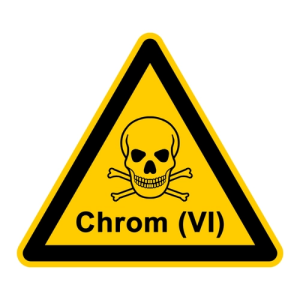
Hexavalent chromium (Cr(VI)) poses a serious hazard in many industrial environments, particularly during metal welding, cutting, and coating operations. Because of its potential risks, it’s important for employers and workers to understand how to handle it safely and follow proper protective measures to reduce exposure.
Health Effects
Workers exposed to high levels of Cr(VI) may experience health effects, such as:
- Occupational asthma/bronchitis
- Respiratory irritation/cancer
- Kidney/liver damage
- Skin cancer
- Skin effect called chrome hole
- Or, eye irritation
What is Hexavalent Chromium?
Hexavalent Chromium can be referenced as "Chromium-6", "Chromium VI", or Cr(VI). In this blog we will be referring to it as Cr(VI). Cr(VI) can be found in drinking water and in multiple industrial processes. This metallic element is odorless and tasteless. Cr(VI) is one of the most common forms of chromium that occurs in natural waters in the environment. It is naturally in the environment due to the erosion of natural chromium deposits but can also be man-made because of certain industrial processes. Cr(VI) is classified as a carcinogen and is harmful to humans.
Hexavalent Chromium Use
Cr(VI) is widely used in paints, primers, and other surface coatings for its powerful anti-corrosive properties. When exposed to oxygen, it quickly forms a thin, protective oxide layer that prevents further corrosion and shields the metal beneath. In electroplating, compounds like chromic acid are used to deposit a durable, decorative chromium coating that enhances both the appearance and longevity of metal parts.
Drinking Water
Cr(VI) often enters drinking water through discharges from dye and paint production, wood preservation processes, chrome plating operations, and runoff from contaminated sites. Drinking water containing Cr(VI) can increase the risk of stomach and gastrointestinal cancers. The U.S. Environmental Protection Agency (EPA) has a drinking water standard for Cr(VI) which is: 0.1 milligrams per liter (mg/1) or 100 parts per billion for total chromium.
Control Methods
OSHA's Permissible Exposure Limit (PEL) for Cr(VI) is: 5 micrograms per cubic meter (µg/m³) of air as an 8-hour Time Weighted Average (TWA). You can reduce exposure by following a few key best practices, such as:
- Using ventilation systems
- Implementing hygiene practices
- Designating lunchrooms that are free from exposure
- Properly disposing contaminated items
- Performing painting/removal of paint in spray rooms
- Substituting hexavalent chromium-containing products
- And, using HEPA filtered vacuums or wet methods to clean dust
Personal Protective Equipment (PPE)
When working with Cr(VI), workers should utilize PPE to reduce exposure risks, such as:
- Goggles
- Gloves
- Helmets
- Coveralls
- And, respirators
DO NOT shake, blow, or use compressed air to clean contaminated PPE.
Conclusion
Effective safety practices and strong awareness help keep hexavalent chromium exposure under control. By following established workplace procedures, using proper protective equipment, and maintaining good hygiene, workers can minimize their risk and ensure a safer environment.

Brooklyn Nice
Brooklyn Nice is a Content Development Specialist at JJ Safety, where she creates engaging, OSHA-focused safety content, training materials, and educational resources for workers and employers. She has earned her OSHA 10 Certification, providing her with a strong foundation in workplace safety principles and industry best practices.