

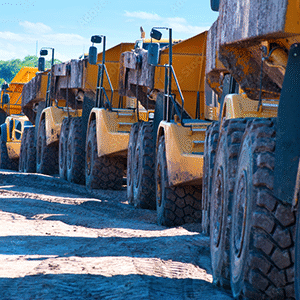
Heavy equipment safety is essential on any job site, where large machines and powerful tools can pose serious risks if not handled properly. From bulldozers and cranes to forklifts and excavators, these machines make work faster and more efficient, but they also demand respect and caution.
Hazards
There are several hazards associated with working on or near heavy equipment, such as:
- Powerline contact/electrocution
- Crushed, struck-by, or caught-in or -between
- Overturns
- Noise exposure
- Falling materials
- Falls
- And, broken bones, amputations, and death
Personal Protective Equipment (PPE)
Operators, spotters, and general workers who perform work near heavy equipment must wear PPE, including:
- High-visibility clothing
- Eye, ear, and head protection
- Gloves
- And, steel-toed boots
Spotters
When an operator’s visibility is limited, a spotter must be used. Both the operator and the spotter should be properly trained in standard hand signals, ensuring clear and safe communication while operating heavy machinery.
OSHA provides suggested spotting signals and standard hand signals for crane and derricks in construction.
Preplanning
Prior to beginning a task that involves heavy equipment, workers must:
- Only allow certified equipment operators to operate heavy machines
- Develop a path site plan
- Set up limited access zones or swing radius zones
- Provide equipment with Rollover Protective Structures (ROPS), if necessary
- And, inspect equipment prior to use
Ground Worker Awareness
For workers performing work around heavy equipment, including spotters, workers must:
- Wear high-visibility clothing
- Avoid standing, bending, or sitting in blind spots of equipment
- Avoid walking or working under suspended loads
- And, wear PPE
Safe Practices
There are numerous safe practices to follow when working on or near heavy equipment, including:
- Inspect equipment prior to use and lockout/tagout equipment prior to performing maintenance tasks
- Adjust all mirrors before operating to increase visibility
- Ensure all workers are accounted for prior to transit
- Wear seat belts
- Use spotters if visibility is limited
- Avoid overloading equipment
- Do not jump off the vehicle, use the 3 points of contact rule
- Maintain communication with other workers
- And, avoid the line of fire
Conclusion
Heavy equipment safety is not just about rules, it’s about protecting lives. By inspecting equipment, using spotters, wearing seat belts, and practicing clear communication, workers can reduce risks and keep job sites safe and productive. Remember, even small shortcuts can lead to serious accidents.

Brooklyn Nice
Brooklyn Nice is a Content Development Specialist at JJ Safety, where she creates engaging, OSHA-focused safety content, training materials, and educational resources for workers and employers. She has earned her OSHA 10 Certification, providing her with a strong foundation in workplace safety principles and industry best practices.