
Fentanyl in the workplace is a growing safety concern that many employers and workers are still learning to navigate. Whether you're in manufacturing, public service, healthcare, or custodial work, the risk of accidental exposure to fentanyl is real and potentially deadly.
Fentanyl is an extremely potent synthetic opioid that slows breathing and suppresses the central nervous system. Although made in laboratories, synthetic opioids like fentanyl have the same powerful effects on the brain as natural opioids, such as morphine.
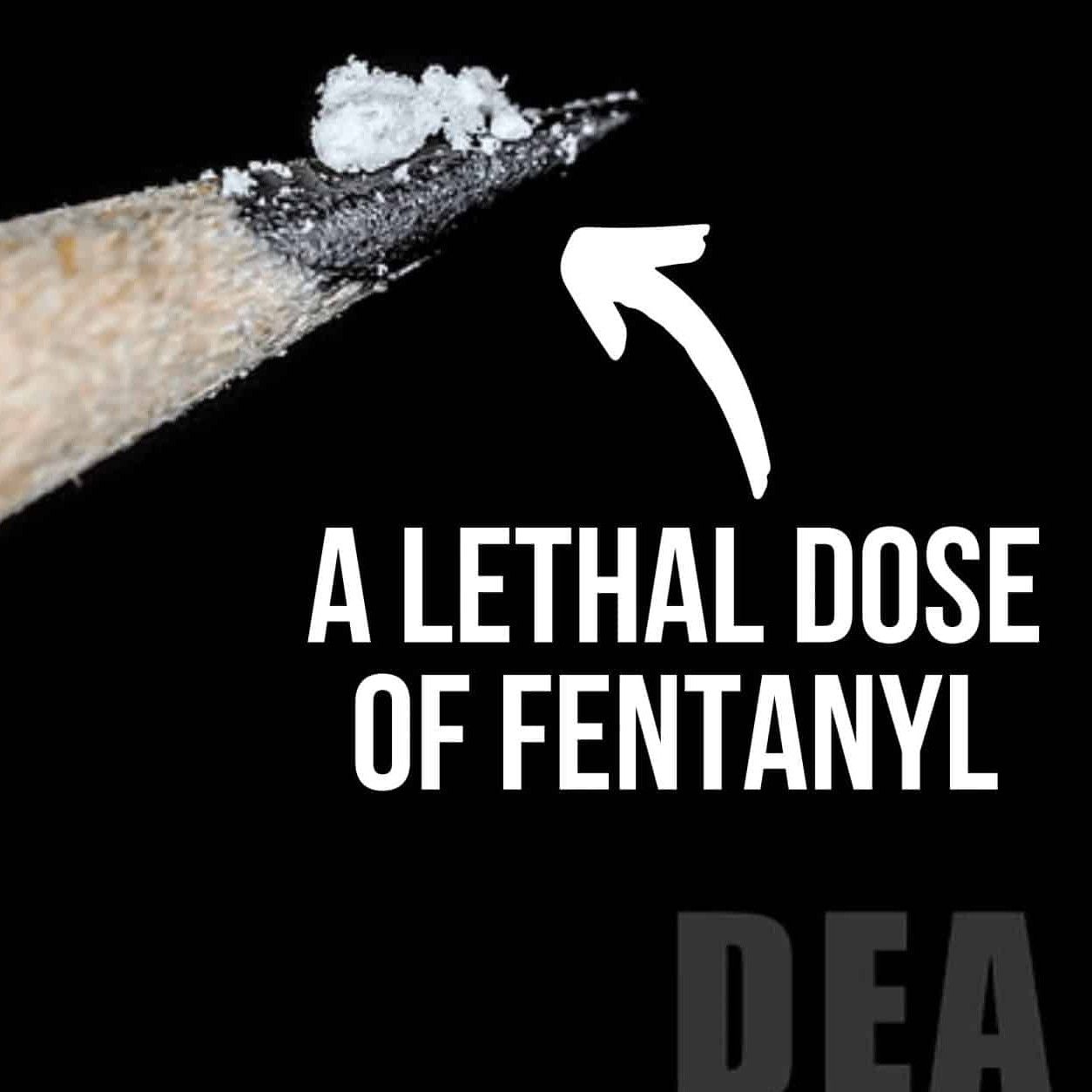
What makes fentanyl especially dangerous is its strength and how easily it can be mixed with other substances or pressed into pills that resemble legal medications. Just 2 milligrams of pure fentanyl, about the size of 10 to 15 grains of salt, can be enough to cause a fatal overdose.
Who Can be Exposed?
Workers who come into contact with the public or work in public spaces could be exposed to fentanyl. However, there are workers who have an increased risk of exposure, including:
- Health care workers, including emergency medical personnel or hospital workers
- Law enforcement and supporting personnel, such as crime lab workers
- Fire service workers, including firefighters and hazmat team members
- Workers who clean or move garbage, especially from homeless camps, crime scenes, or public areas
- And, workers who perform maintenance or repair
How Can Exposure Occur?
There are a few possible exposure routes, including:
- Inhalation of airborne powders and aerosols
- Absorption of a liquid or gel through the skin
- Ingestion
- Injection through the skin by a needle or sharp object
- Or, contact with mucus membranes in the eyes, nose, or mouth; or contact with skin that is not intact
Overexposure Symptoms
Symptoms can occur with fentanyl doses as low as 2.5 micrograms. Symptoms of overexposure may include:
- Shortness of breath
- Slowing of the central nervous system, including breathing and pulse
- Drowsiness
- Loss of consciousness
- Dizziness
- Or, nausea and vomiting
Overdose Response
An opioid overdose is life-threatening and requires immediate emergency attention. An overdose can be identified by:
- Difficulty or inability to wake up
- Slow or no breathing
- Bluish or pale lips/fingernails
- Pale or clammy skin
- Abnormal snoring or breathing sounds
- And, vomiting or foaming at the mouth
If you suspect someone is experiencing an overdose, call 911 immediately. Naloxone, commonly known by the brand name Narcan, is a life-saving medication that can quickly reverse the effects of an opioid overdose, including those involving a combination of opioids and other substances like sedatives or stimulants. It's important to note that Narcan only works on opioid drugs such as heroin, morphine, fentanyl, and similar substances. It can be administered either as a nasal spray or through an intravenous injection.
Anyone providing Narcan should be trained in first aid, know how to recognize the signs of an opioid overdose, and understand how to properly administer the medication. In many states, Good Samaritan laws offer legal protection to individuals who give Narcan in a good faith effort to save a life, shielding them from civil liability when responding to an overdose emergency.
Protecting Workers from Exposure
Employers must take action to protect employees who may face serious hazards from fentanyl exposure. This includes conducting thorough hazard assessments and putting in place effective engineering controls and safe work practices. Even with these measures in place, workers must still wear appropriate Personal Protective Equipment (PPE), including:
- NIOSH-approved disposable N100, P100, or R100 filtering facepiece respirator
- Safety glasses or goggles
- Disposable gloves
- Disposable shoe or boot covers
- Coveralls/disposable gowns
- Or, aprons
Conclusion
Fentanyl is a serious and growing risk that no workplace can afford to ignore. Whether you're an employee, supervisor, or safety leader, awareness and preparation are key. By educating teams, recognizing the signs of exposure, and having clear response protocols in place, we can reduce the risk and protect lives.

Brooklyn Nice
Brooklyn Nice is a Content Development Specialist at JJ Safety, where she creates engaging, OSHA-focused safety content, training materials, and educational resources for workers and employers. She has earned her OSHA 10 Certification, providing her with a strong foundation in workplace safety principles and industry best practices.