
Crash Reporting and Investigation play a vital role in maintaining workplace and roadway safety by identifying the causes of incidents and preventing future occurrences. Through thorough reporting and careful analysis, organizations can uncover underlying issues, improve safety procedures, and promote accountability.
Vehicle accidents are costly to a company, but more importantly, may result in injury to you or others. It is the driver's responsibility to safely operate the vehicle and to drive defensively to prevent injuries and property damage.
When a crash involving a company vehicle and the driver of the commercial vehicle who was working at the time of the crash is found to be at fault, the company that owns the vehicle is likely to be held liable for damages.
Driver Safety Rules
All accidents involving company vehicles must be reported to the police immediately from the scene and on the same day they occur. If an accident happens in a personal vehicle while on company time, the driver is required to follow the same reporting procedures. Any accident that results in an employee injury must also be reported to Human Resources for Workers’ Compensation purposes.
Accident Procedures
To minimize the results of an accident, the driver must prevent further damage or injuries and obtain all important information and report it immediately. After an accident, you should:
- Call the police and, if necessary, medical aid
- Record names and addresses of the driver, witnesses, and occupants of the other vehicle and any medical personnel who may arrive at the scene
- And, complete pertinent information
Pertinent information includes:
- License number of other drivers
- Insurance company names and policy numbers of other vehicles
- Make, model, and year of other vehicles
- Date and time of accident
- And, overall road and weather conditions
Accident Report
An accident report form for gathering information following an accident should be available in each vehicle. There are a few items that must be included in a preliminary accident report form, including:
- The date and time of when the accident occurred
- The location of where the accident occurred
- Description of the accident, including the speed of vehicles, weather and road conditions, and any other pertinent information
- And, a diagram of the accident scene
Medical Treatment
A worker’s first priority should always be the safety and health of themselves and their passengers. Before taking any further action, the driver should evaluate their own condition and check on everyone involved in the accident. If there are any injuries, contact 911 right away.
Pictures
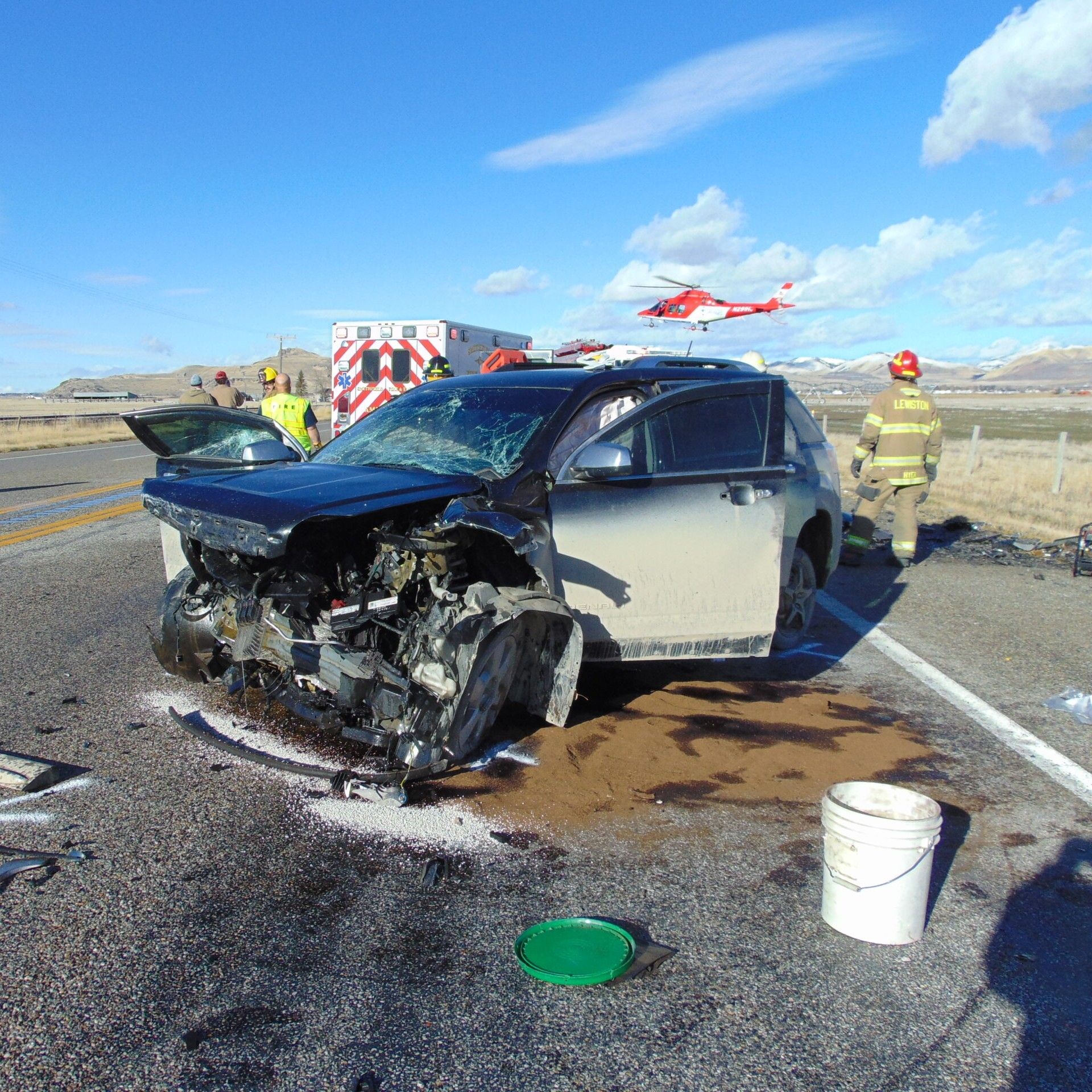
It’s important to take multiple photos of the accident. If it can be done safely, capture pictures before the vehicles are moved from the scene. Drivers should photograph the area from several angles, including their own vehicle, the other vehicle, and the overall accident scene.
Contacts
Drivers must immediately notify their employer of the accident. After doing so, they should contact the company’s insurance agent from the scene to report the incident and receive further instructions.
Investigation
After determining the direct cause of the accident, identify corrective actions and risk-reducing measures to help prevent similar incidents in the future. It is essential to keep the safety aspects of the investigation separate from any potential disciplinary actions.
Incident investigations should always focus on uncovering safety shortcomings and addressing them promptly. Both managers and employees should be involved in the process, as each contributes valuable insight, experience, and perspective to the investigation.
Note: OSHA provides an Incident (Accident) Investigation: A Guide for Employers.
As described in the guide, employers should use the following approach during an investigation:
- Preserve/document the scene
- Collect information
- Determine root causes
- And, implement corrective actions
Conclusion
Crash reporting and investigation are essential tools for improving safety performance and preventing future incidents. By documenting crashes accurately, analyzing root causes, and applying corrective actions, organizations can strengthen their safety culture and reduce risks.

Brooklyn Nice
Brooklyn Nice is a Content Development Specialist at JJ Safety, where she creates engaging, OSHA-focused safety content, training materials, and educational resources for workers and employers. She has earned her OSHA 10 Certification, providing her with a strong foundation in workplace safety principles and industry best practices.