

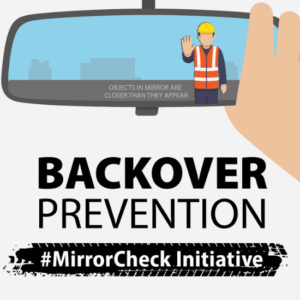
Backover incidents are a serious hazard on many job sites, especially where large vehicles, equipment, and limited visibility are involved. These accidents occur when a vehicle reverses and strikes a person who is in the driver’s blind spot, often resulting in severe injury or death. As workers, it’s critical to stay alert, follow safe practices, and understand the risks associated with moving vehicles.
Stories: Backover Incidents
On June 18, 2009, an employee was working inside a work zone wearing his reflective safety vest. A dump truck operating in the work zone backed up and struck the employee with the rear passenger side wheels. The employee was killed. The dump truck had an audible back up alarm and operating lights.
On June 9, 2010, an employee was standing on the ground in front of a loading dock facing into the building while a tractor trailer was backing into the same dock. The trailer crushed the employee between the trailer and the dock.
What is the Cause of Backover Incidents?
Backover incidents can happen for numerous reasons, including:
- Equipment operators or vehicle drivers may not be able to see a worker in their blind spot
- Workers may not hear backup alarms due to other worksite noises or because the alarm is not functioning
- A spotter assisting one truck may not see another truck behind them
- Workers riding on vehicles may fall off and get backed over
- And, drivers may assume that the area is clear and not look in the direction of travel
Backover Prevention
There are many tips for preventing backover incidents, including:
- The use of spotters to help them back up their vehicle
- Video cameras with in-vehicle display monitors
- Proximity detection devices, such as radar and sonar, that can alert drivers to objects that are behind them
- Tag-based systems to inform drivers when other employees are behind the vehicle and can alert employees when they walk near a vehicle equipped to communicate with the tag worn by the employee
- And, internal traffic control plans, which can tell drivers where to drive and can reduce the need to back up
Additionally, training is a tool that can be used to prevent backover incidents. Blind spots behind and around vehicles are not immediately obvious to employees on foot. By training employees on where those blind spots are and how to avoid being in them, employers can reduce some backover incidents.
For additional information on preventing backovers, visit OSHA's webpage titled, "Backing Safety Solutions."
Conclusion
Backover incidents can happen in seconds, but with the right awareness and safety measures, they are almost always preventable. Whether you’re operating a vehicle or working nearby, staying alert, following site protocols, and using spotters or backup alarms can make all the difference. Every worker has a role to play in backover prevention.

Brooklyn Nice
Brooklyn Nice is a Content Development Specialist at JJ Safety, where she creates engaging, OSHA-focused safety content, training materials, and educational resources for workers and employers. She has earned her OSHA 10 Certification, providing her with a strong foundation in workplace safety principles and industry best practices.