
Construction is one of the most physically demanding industries in the world. Whether you’re lifting heavy materials, climbing ladders, kneeling to install flooring, or operating equipment for hours at a time, your body takes a beating every single day.
That’s why many contractors begin each morning with a stretch and flex routine. While it’s not a requirement under OSHA, this simple 5 to 10 minute practice can help workers prepare both physically and mentally for the day ahead.
Although stretching alone won’t eliminate workplace injuries, making it part of your daily routine can improve mobility, encourage safe work habits, and reinforce a strong safety culture. Here’s why every construction crew should consider starting the day with a stretch and flex session!
What Is a Construction Stretch and Flex?
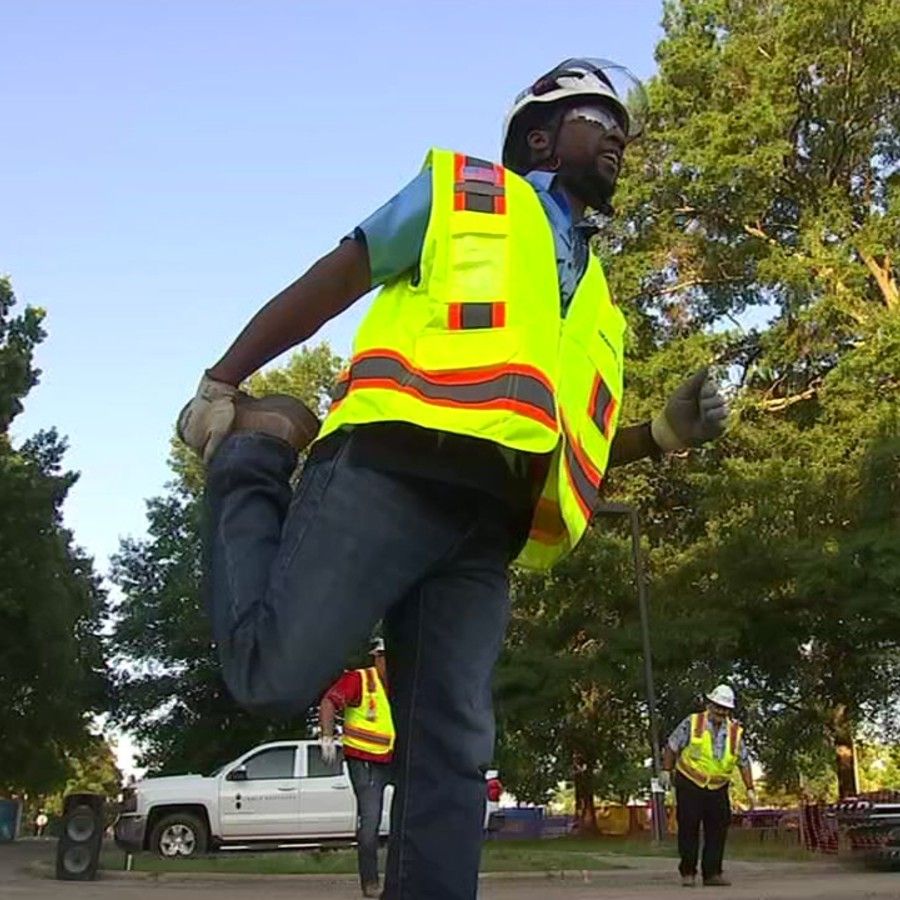
A stretch and flex program is a brief warm-up performed before the work begins. Similar to athletes warming up before a game, construction workers use these exercises to prepare their muscles and joints for the physical demands they’ll face throughout the day.
A typical routine may include:
- Shoulder and neck stretches
- Arm and wrist movements
- Back and torso rotations
- Hamstring and calf stretches
- Hip and ankle mobility exercises
- And, light squats or lunges
Some companies even customize their stretches based on the work being performed that day. For example, crews expecting to perform heavy lifting may focus more on their lower back and legs, while electricians or painters may spend extra time loosening their shoulders, wrists, and upper body.
Why You Should Make the Stretch and Flex a Daily Habit
It Helps Prepare Your Body for Physical Work
Construction workers place constant stress on their muscles and joints. Starting the day with gentle movement increases blood flow, improves joint mobility, and helps loosen muscles before lifting, climbing, bending, or carrying materials.
Research involving construction workers found that participating in a daily 10-minute warm-up program improved lower back flexibility, hamstring flexibility, and muscle endurance over time. While the study didn't find significant improvements in strength, it showed that consistent warm-ups can improve physical readiness for demanding work.
It Encourages Workers to Think About Their Bodies
Stretching gives workers an opportunity to check in with how they're feeling before the work begins.
If someone notices tightness, soreness, or limited movement during the warm-up, they may recognize the need to adjust their work methods, ask for assistance with heavy lifting, or report a developing issue before it becomes a more serious injury.
This increased body awareness can help workers make smarter decisions throughout the workday.
It Reinforces Safe Work Practices
One of the biggest advantages of the stretch and flex isn't necessarily the stretching itself, it's bringing the crew together before work begins.
Many contractors combine stretching with a brief safety discussion or toolbox talk. This gives supervisors an opportunity to:
- Discuss the day's tasks
- Review jobsite hazards
- Talk about weather conditions
- Reinforce proper lifting techniques
- And, remind workers about PPE requirements
Starting every shift with safety on everyone's mind helps build stronger habits over time.
It Builds a Stronger Safety Culture
Consistency matters when building a positive safety culture. A daily stretch and flex routine sends a clear message that employee health and safety are priorities, not afterthoughts.
Research has shown that many employers view stretch and flex sessions as a valuable tool because they improve communication, teamwork, and employee engagement. Even if the stretching itself isn't solely responsible for reducing injuries, these daily interactions help create a safer, more connected workforce.
Does Stretching Prevent Injuries?
This is probably the biggest question surrounding stretch and flex programs.
The honest answer is: not by itself.
Current research has not proven that stretching alone significantly reduces workplace injuries or musculoskeletal disorders. Studies suggest that while workers and employers often report positive experiences, injury prevention comes from a combination of factors, not stretching alone.
The most effective injury prevention programs also include:
- Ergonomic improvements
- Proper lifting techniques
- Mechanical lifting devices
- Employee training
- Good housekeeping
- Hazard identification
- And, safe work planning
The stretch and flex should be viewed as one part of a comprehensive safety program, not a replacement for proper hazard controls.
OSHA's Position
OSHA does not require employers to conduct stretch and flex programs, nor does the agency recommend stretching as a substitute for controlling workplace hazards.
However, OSHA recognizes the importance of preventing musculoskeletal injuries through effective ergonomics, safe work practices, engineering controls, and employee training.
A stretch and flex routine can complement these efforts by encouraging workers to start each day focused on their physical readiness and workplace safety.
Tips for an Effective Stretch and Flex Program
To get the most out of your morning routine:
- Keep sessions between 5 and 10 minutes
- Focus on slow, controlled movements, never bouncing stretches
- Stretch all major muscle groups used during the workday
- Tailor stretches to the tasks being performed
- Encourage participation without forcing painful movements
- Pair stretching with a daily safety meeting or toolbox talk
- And, be consistent, the benefits come from making it a habit
Conclusion
A construction stretch and flex program isn't a cure-all for workplace injuries, but that doesn't mean it isn't worth doing.
Taking just a few minutes each morning to warm up, loosen stiff muscles, review jobsite hazards, and prepare mentally for the day helps create healthier habits and reinforces a culture where safety comes first.
When combined with proper ergonomics, safe lifting techniques, hazard controls, and ongoing training, a daily stretch and flex routine becomes another valuable tool for keeping crews healthy, engaged, and ready to work safely.
Sometimes the safest part of the workday starts before the first tool is ever picked up.

Brooklyn Nice
Brooklyn Nice is a Content Development Specialist at JJ Safety, where she creates engaging, OSHA-focused safety content, training materials, and educational resources for workers and employers. She has earned her OSHA 10 Certification, providing her with a strong foundation in workplace safety principles and industry best practices.