

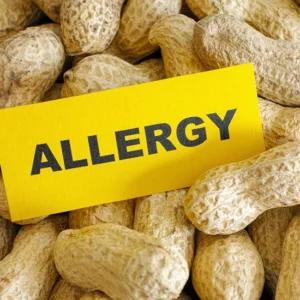
Peanut allergies are among the most common, and most serious, food allergies today, affecting both children and adults. For those who live with them, even a tiny amount of peanut protein can trigger a rapid and potentially life-threatening reaction. Whether you have a peanut allergy yourself, care for someone who does, or simply want to stay informed, understanding the risks, symptoms, and prevention strategies is essential.
How Peanut Allergies Develop
For people with a peanut allergy, the immune system treats peanut proteins the same way it would treat a harmful invader, like a virus or bacteria. Instead of ignoring peanuts, the immune system becomes sensitized to them.
During the sensitization phase, the body creates specific antibodies called Immunoglobulin E (IgE). These IgE antibodies attach to certain immune cells in the body, such as mast cells or basophils. Once this happens, the immune system becomes “primed” to react the next time peanuts are ingested.
When someone with this sensitivity ingests peanuts the peanut proteins bind to the IgE antibodies which signals mast cells to release chemicals, especially histamine. The release of histamine and other chemicals is what leads to allergy symptoms.
Peanut allergies can develop due to a mix of factors, including:
- Genetics
- Other allergic conditions such as eczema, asthma, or other food allergies
- Immune system sensitivity
- And, early exposure patterns
Mild vs. Severe Reactions
Peanut allergy reactions vary widely from person to person and from one exposure to another. Mild to moderate reactions include:
- Itchy skin or hives
- Tingling or itching in or around the mouth, throat, or ears
- Runny or congested nose
- And, mild stomach upset or nausea
Mild to moderate symptoms should be monitored as they can rapidly worsen or spread. If symptoms begin to worsen it may indicate the onset of anaphylaxis.
Severe reactions, or anaphylaxis, can occur within seconds or minutes and require immediate treatment. Symptoms may include:
- Difficulty breathing, coughing, or wheezing
- Swelling of the face, lips, tongue, or throat
- Drop in blood pressure
- Rapid or irregular heartbeat
- And, confusion or loss of consciousness
Response
When an allergic reaction occurs, every second matters. The following steps can make the difference between recovery and severe medical complications:
- Assess the situation quickly; identify if symptoms are mild or severe
- Administer epinephrine, or an EpiPen, immediately if signs of anaphylaxis occur
- Call 911
- Stay with the person until EMS arrive and monitor symptoms closely
- And, do not give food, drink, or medication if they are unconscious
Prevention
Preventing allergic reactions to peanuts starts with awareness, preparation, and strong avoidance habits. Some effective prevention strategies include:
- Avoiding all peanut-containing foods
- Understanding food labels; look for “contains peanuts”, “may contain peanuts”, or “processed in a facility that handles peanuts”
- Preventing cross-contamination
- Communicating your allergy clearly
- Being cautious at restaurants
- Carrying emergency medication
- And, having an allergy action plan
Conclusion
Peanut allergies are more than a dietary inconvenience, they’re a serious medical condition that affects millions of people and can dramatically impact daily life. Understanding how peanut allergies work, recognizing symptoms early, and knowing how to respond during an emergency are key steps in creating safer homes, schools, workplaces, and communities. By raising awareness, reading labels carefully, practicing responsible food handling, and supporting those who live with allergies, we can help reduce risks and foster a more inclusive environment.

Brooklyn Nice
Brooklyn Nice is a Content Development Specialist at JJ Safety, where she creates engaging, OSHA-focused safety content, training materials, and educational resources for workers and employers. She has earned her OSHA 10 Certification, providing her with a strong foundation in workplace safety principles and industry best practices.