
Site safety inspections are a crucial part of maintaining a safe and compliant workplace, especially in industries such as construction, manufacturing, and warehousing. These inspections help identify potential hazards, ensuring that workers are protected from accidents and injuries.
By regularly conducting site safety inspections, businesses can not only comply with legal safety requirements but also promote a culture of safety that prioritizes the well-being of everyone on-site.
What is a Site Safety Inspection?
A site safety inspection is a regular evaluation of a workplace or construction site, aimed to identify potential hazards and safety gaps. This process involves a systematic walk-through of the site to assess safety conditions and ensure compliance. These inspections can help prevent accidents, reduce costs, and improve worker safety by identifying hazards and taking corrective actions.
Site safety inspections have several key objectives they aim to achieve, including:
- Hazard recognition
- Hazard elimination/mitigation
- Identify and record potential hazards
- Identify and record hazards that require immediate attention
- Evaluate the integrity of any structures and equipment on site
- And, identify and track corrective actions that need to be implemented
What is Included in a Site Safety Inspection?
The conditions to check during an inspection can vary based on the industry. However, as a general guideline, site inspections should include a thorough examination of:
- General Site Conditions: Assess the overall cleanliness, organization, and accessibility of the site
- Personal Protective Equipment (PPE): Ensure workers have and use the correct PPE, such as helmets, gloves, goggles, etc.
- Fall Protection: Check for proper guardrails, safety nets, and additional fall protection measures
- Scaffolds and Ladders: Inspect scaffolds and ladders for defects and ensure they are used properly
- Tools and Equipment: Ensure tools and equipment are in good working condition and are used properly
- And, Electrical Safety: Inspect electrical cords, lighting, and temporary electricity
What is the Importance?
Site safety inspections are crucial for ensuring workplace safety and compliance. Additionally, these inspections can aid in:
- Preventing Accidents: By identifying hazards and implementing corrective actions, employers can avoid accidents
- Reducing Costs: By preventing accidents and injuries, employers can save money on items, such as medical bills, workers compensation, and lost productivity
- Improving Worker Safety: Inspections ensure workers have necessary PPE, are properly trained, and are working in safer, less hazardous environments
- Regulatory Compliance: Many OSHA regulations require site inspections
- And, Enhancing Safety Culture: Regular inspections foster a safety-first culture
Performing Site Safety Inspections
Performing site safety inspections involves systematically examining your workplace through a process, including:
- Preparation: Review previous inspection reports, analyze potential hazards, and utilize checklists
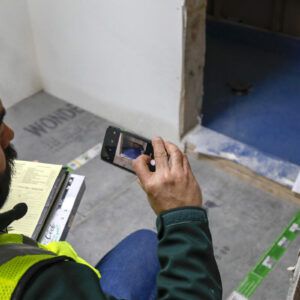
- Inspection: Perform a thorough walkthrough, identify potential hazards, record your findings, and incorporate employee feedback
- Documentation and Reporting: Document all observed hazards and compile findings into a comprehensive inspection report
- And, Follow-Up: Develop and implement a plan to address identified hazards and regularly monitor the effectiveness of corrective actions
Resources
The Texas Department of Insurance and the California Department of Industrial Relations provide general inspection checklists that you can reference.
Conclusion
Site safety inspections play a critical role in maintaining a safe and compliant workplace. By identifying hazards, ensuring regulatory compliance, and fostering a culture of safety, these inspections help protect both workers and businesses. Prioritizing site safety inspections not only reduces the risk of accidents but also contributes to a more productive and efficient work environment.

Brooklyn Nice
Brooklyn Nice is a Content Development Specialist at JJ Safety, where she creates engaging, OSHA-focused safety content, training materials, and educational resources for workers and employers. She has earned her OSHA 10 Certification, providing her with a strong foundation in workplace safety principles and industry best practices.