
Heart attacks are one of the most serious medical emergencies and one of the most misunderstood. The good news is that awareness saves lives. Knowing what a heart attack is, what causes it, and how to respond can make all the difference when seconds matter.
What is a Heart Attack?
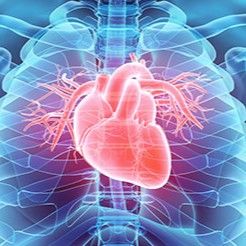
A heart attack, also called a myocardial infarction, occurs when blood flow to a part of the heart is blocked or severely reduced. Without enough blood and oxygen, the heart muscle begins to become damaged or die.
According to the CDC, most heart attacks are caused by coronary artery disease, a condition where arteries become narrowed or blocked over time due to plaque buildup.
When blood flow is cut off, the heart cannot function properly, making immediate medical treatment critical.
What Causes a Heart Attack?
The most common cause of a heart attack is atherosclerosis, which is the buildup of fatty deposits (plaque) inside the arteries.
Over time, this plaque can:
- Narrow the arteries and reduce blood flow
- Rupture suddenly
- Or, form a blood clot that fully blocks blood flow to the heart
Other causes may include:
- Coronary artery spasms (temporary tightening of arteries)
- Severe stress on the heart
- Certain medical conditions or infections
- Or, drug use that affects blood vessels
In most cases, heart attacks develop gradually due to long-term cardiovascular risk factors.
Who is at Risk?
While heart attacks can happen to anyone, certain factors increase the risk significantly.
Major risk factors include:
- High blood pressure
- High cholesterol
- Smoking or tobacco use
- Diabetes
- Obesity
- Lack of physical activity
- And, poor diet high in saturated fats and sodium
Other risk factors can include:
- Age (risk increases with age)
- Family history of heart disease
- Chronic stress
- And, excessive alcohol use
Many of these risk factors are preventable or manageable, which makes lifestyle choices extremely important for heart health.
Warning Signs
Heart attack symptoms can vary from person to person, but common warning signs include:
- Chest pain or pressure; often described as squeezing or heaviness
- Pain spreading to the arms, back, neck, jaw, or stomach
- Shortness of breath
- Cold sweats
- Nausea or vomiting
- Lightheadedness or dizziness
- Or, unusual fatigue
Some people, especially women, older adults, and individuals with diabetes, may experience more subtle symptoms like fatigue, indigestion, or discomfort rather than severe chest pain.
What to Do in an Emergency
If you suspect a heart attack, call emergency services immediately. Do not wait.
Emergency responders can begin life-saving treatment right away. Early treatment can help restore blood flow and reduce damage to the heart muscle.
In many cases, treatments may include:
- Medications to dissolve or prevent blood clots
- Procedures like angioplasty to open blocked arteries
- Oxygen therapy or heart monitoring
- Or, surgery in severe cases
The sooner treatment begins, the better the chances of survival and recovery.
Prevention
The CDC emphasizes that heart disease is largely preventable through healthy lifestyle choices.
You can lower your risk by:
- Eating a heart-healthy diet (fruits, vegetables, lean proteins, and whole grains)
- Reducing saturated fats, trans fats, and sodium
- Exercising regularly
- Not smoking or using tobacco products
- Managing stress effectively
- Controlling blood pressure, cholesterol, and blood sugar
- And, maintaining a healthy weight
Conclusion
Heart attacks don’t always happen without warning, but the signs are often missed or ignored. The most powerful tool you have is awareness. Recognizing symptoms early, responding quickly, and making healthier choices can dramatically improve outcomes.

Brooklyn Nice
Brooklyn Nice is a Content Development Specialist at JJ Safety, where she creates engaging, OSHA-focused safety content, training materials, and educational resources for workers and employers. She has earned her OSHA 10 Certification, providing her with a strong foundation in workplace safety principles and industry best practices.