
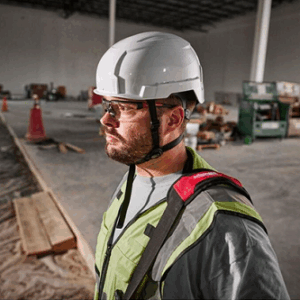
Hard hats are one of the most recognizable pieces of personal protective equipment on any jobsite, but their effectiveness depends on proper care and regular inspection. Understanding how and when to inspect hard hats is essential for maintaining compliance, protecting workers, and ensuring that safety equipment performs as designed.
When to Perform an Inspection
Hard hats should be inspected regularly and consistently, including:
- Before Each Use: Workers should examine their hard hat at the beginning of every shift, checking for cracks, dents, discoloration, brittleness, or any other indications of damage
- After Any Impact or Incident: If a hard hat is struck, dropped, or involved in any incident, it should be taken out of service immediately, even if no visible damage is present
- During Routine Safety Checks: Supervisors should incorporate hard hat inspections into regular safety audits or toolbox talks
- When Environmental Exposure Occurs: Hard hats that are exposed to extreme temperatures, sunlight, chemicals, or solvents should be inspected more frequently, as these conditions can weaken both the shell and suspension system
- And, According to Manufacturer Guidelines: Always follow the manufacturers inspection and replacement recommendations
Inspecting the Hard Hat Shell
The first step in a daily hard hat inspection is examining the shell. Because the shell absorbs direct impact, any damage, no matter how small, can compromise its ability to provide full protection. When inspecting the shell, check for:
- Cracks, deep scratches, dents, or chips
- Fading, chalky appearance, or discoloration
- Brittle, warped, or soft spots
- And, deformation from heat exposure
Suspension System Inspection
The suspension system is just as critical as the shell, as it absorbs and distributes the force of an impact. Even if the shell appears to be in perfect condition, a damaged or worn suspension can cause the hard hat to fail. During an inspection, check for:
- Frayed or torn straps
- Stretched or brittle material
- Broken or missing clips or attachment points
- And, a headband that no longer adjusts or holds tension properly
Accessories, Stickers, and Modifications
Many workers choose to personalize or accessorize their hard hats; however, any additions must be safe, approved, and compatible with the hard hat’s design. Workers should keep the following in mind:
- Accessories such as light, face shields, or earmuffs, must be approved by the manufacturer
- Stickers should not cover damage or be placed near edges where they weaken the plastic
- Solvents, markers, adhesives, and paints can degrade the shell, unless specifically approved
- And, never drill holes, apply heat, or alter the hard hat in any way
When to Replace Hard Hats
Hard hats should be replaced when:
- It experiences any type of impact
- The shell shows signs of damage or aging
- The suspension no longer fits securely
- Or, the manufacturer recommends
Most manufacturers recommend shell replacement every 5 years and suspension replacement every 13 months.
Conclusion
Hard hat inspection is a simple but critical step in protecting workers from serious head injuries. Regularly checking the shell, suspension, and overall condition helps ensure the hard hat will perform as intended when an impact occurs. By inspecting hard hats before each use, removing damaged equipment from service, and following manufacturer guidelines for care and replacement, employers and workers can reduce risk, maintain compliance, and reinforce a strong safety culture.

Brooklyn Nice
Brooklyn Nice is a Content Development Specialist at JJ Safety, where she creates engaging, OSHA-focused safety content, training materials, and educational resources for workers and employers. She has earned her OSHA 10 Certification, providing her with a strong foundation in workplace safety principles and industry best practices.