
Burns can happen in seconds, but the damage they cause can last a lifetime. From minor incidents to serious emergencies, understanding burn severity is critical for recognizing risks, responding quickly, and preventing long-term injury.
Not all burns are the same. What looks minor on the surface can be far more severe beneath the skin.
What Determines Burn Severity?
Burn severity is based on several factors, including:
- Depth of the burn; how many layers of skin are affected
- Size of the burn; percentage of body surface area involved
- Location of the burn; hands, face, feet, joints, or genitals are higher risk
- Cause of the burn; thermal, chemical, electrical, or radiation
- And, age and health of the injured person
Even small burns can become serious depending on these factors.
Levels of Burn Severity
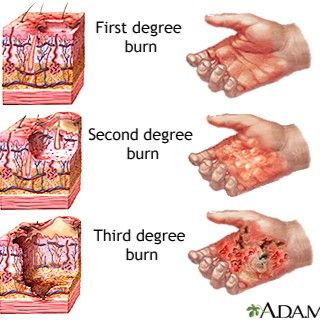
There are 4 levels of burn severity, first degree, second degree, third degree, and fourth degree. Let’s take a closer!
First Degree Burns (Superficial Burns)
First degree burns affect only the outer layer of skin known as the epidermis. Common signs include:
- Redness
- Mild swelling
- Pain or tenderness
- And, no blisters
These burns are often caused by brief contact with heat or sun exposure and typically heal within a few days with minimal treatment.
Second Degree Burns (Partial-Thickness Burns)
Second degree burns damage both the outer layer of skin and the layer beneath it known as the dermis.
Common signs include:
- Blistering
- Intense pain
- Red, swollen, or moist skin
- And, possible scarring
These burns may require medical treatment and take longer to heal. Infections are a potential risk if blisters break or proper care is not received.
Third Degree Burns (Full-Thickness Burns)
Third degree burns extend through all layers of the skin and can potentially damage underlying tissue.
Common signs include:
- White, charred, or leathery-looking skin
- Little or no pain at the burn site due to nerve damage
- And, severe swelling
These burns are medical emergencies and require immediate treatment. Healing often involves surgery or skin grafts.
Fourth Degree Burns (Deep Tissue Burns)
Fourth degree burns are the most severe and extend beyond the skin into the muscles, tendons, or bone.
Common signs include:
- Blackened or charred tissue
- Loss of sensation
- And, extensive tissue damage
These injuries are life-threatening and require immediate emergency care.
Why Does Burn Severity Matter?
Understanding burn severity can help burn victims determine:
- When first aid is enough
- When medical treatment is required
- How to prevent infection and further injury
- And, the urgency of emergency response
Delaying treatment or underestimating a burn can lead to serious complications, including infection, permanent damage, or death.
First Aid Basics for Burns
While treatment depends on severity, general first aid steps include:
- Remove the source of the burn safely
- Cool the burn with clean, cool (not cold) water
- Do not apply ice, butter, or ointments unless directed by medical professionals
- Cover the burn with a clean, dry dressing
- And, seek medical care for severe, large, or deep burns
First degree burns can most often be treated at home with over-the-counter ointments or medicines. A doctor should still be seen if there is a large area of skin affected or a major joint or the face is affected by the burn.
When a second degree burn occurs, run the affected area under cool water for 15 minutes. Over-the-counter medications and ointments can be used to heal these types of burns, but you should still consult a medical professional. A doctor should be seen if the burn affects a large area or if the burn affects the hands, face, feet, groin area, or buttocks.
For third degree burns, do not attempt to address these injuries at home. Raise the affected area above the heart if possible and get transported to a hospital. Do not remove clothing as this can pull the burned skin from the body.
Conclusion
Understanding burn severity is essential for recognizing risks, responding appropriately, and preventing long-term injury. Burns can vary widely in seriousness, and even those that appear minor can have significant consequences if not treated properly.
By knowing the signs of different burn types and taking burns seriously, individuals can make safer decisions, seek timely medical care, and reduce the overall impact of burn-related injuries.

Brooklyn Nice
Brooklyn Nice is a Content Development Specialist at JJ Safety, where she creates engaging, OSHA-focused safety content, training materials, and educational resources for workers and employers. She has earned her OSHA 10 Certification, providing her with a strong foundation in workplace safety principles and industry best practices.